

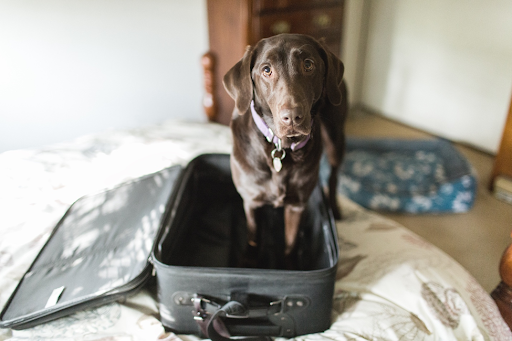
Boarding can be stressful for both dogs and their owners, especially if a pet has never stayed away from home before. New environments, unfamiliar sounds, different routines, and separation from family may create anxiety for some dogs during their stay. Proper preparation may help reduce stress while improving safety, comfort, and adjustment during boarding.
Most boarding facilities require proof of current vaccinations before accepting dogs. Routine veterinary visits before boarding may help owners confirm their dog is healthy enough for group environments. Vaccines for rabies, bordetella, and distemper are commonly required because boarding facilities place dogs in close contact with other animals.
Owners should also discuss flea prevention, parasite control, and any ongoing medical conditions with their veterinarian before travel dates arrive. Dogs showing signs of illness before boarding should remain home whenever possible to reduce the spread of infection. Medical records, emergency contact information, and medication instructions should also stay organized before drop-off day.
Dogs who rarely spend time away from family members may struggle more during boarding stays. Practicing short separations before boarding may help reduce anxiety gradually. Daycare visits, overnight stays with trusted caregivers, or shorter boarding trials often help dogs adjust to unfamiliar settings more comfortably.
Dogs who experience severe separation anxiety may benefit from slower preparation and behavioral support before extended boarding stays. Calm departures also matter. Emotional goodbyes sometimes increase stress levels for anxious pets during drop-off.
Sudden food changes may upset a dog’s stomach during boarding. Most facilities recommend bringing your dog’s regular food in labeled portions to maintain normal feeding routines. Familiar diets may reduce digestive problems and help dogs feel more comfortable in unfamiliar surroundings.
Feeding instructions should include portion sizes, meal times, allergies, and medication schedules if applicable. Owners should also mention any supplements their dogs take regularly, including products such as Omega-3 for dogs that support joint health or skin condition. Clear instructions help boarding staff maintain consistency during the stay.
Familiar smells often help dogs feel calmer away from home. Blankets, toys, or bedding carrying household scents may reduce stress during boarding. Some dogs also relax more easily with their favorite chew toys or comfort items they use regularly at home.
Items should remain clearly labeled with the dog’s name before arrival at the facility. Owners should avoid bringing valuable belongings that may become damaged or lost during group play or cleaning procedures. Simple comfort items usually work best.
Boarding staff should understand a dog’s personality, habits, and behavioral concerns before the stay begins. Information about fears, triggers, aggression history, food guarding, or social preferences may help caregivers manage dogs more safely around other animals and staff members.
Some dogs enjoy group play while others prefer quieter individual care. Sleep habits, exercise needs, bathroom routines, and calming techniques may also help staff create a smoother boarding experience. Honest communication often improves safety for both dogs and caregivers.
Dogs with excess energy may struggle more during boarding stays. Regular walks and exercise before drop off may help dogs arrive calmer and more relaxed. Exercise also supports digestion and reduces restlessness during periods of adjustment.
Owners should avoid exhausting dogs immediately before boarding because excessive fatigue may increase physical stress. Balanced activity levels usually help pets settle more comfortably into new environments.
Every boarding facility operates differently. Some locations provide group play sessions, while others offer private accommodations or structured activity schedules. Owners should review feeding procedures, medication policies, emergency protocols, and supervision practices before booking a stay.
Touring the facility beforehand may also help owners evaluate cleanliness, staffing levels, ventilation, and animal handling practices. Questions about overnight supervision, exercise schedules, and emergency veterinary access are important before finalizing reservations.
Dogs requiring medication need detailed written instructions during boarding. Medication labels should include dosage amounts, timing, storage needs, and administration methods. Boarding staff should also know whether medications must be given with food or separated from other treatments.
Owners should pack extra medication in case travel delays or schedule changes affect pickup timing. Emergency veterinary contact information should remain updated as well.
Some dogs return home tired or emotionally overstimulated after boarding. Changes in appetite, sleep patterns, or energy levels during the first day home are fairly common after active boarding stays. Dogs may need quiet time and rest while readjusting to normal household routines.
Owners should monitor pets closely for signs of illness, digestive upset, or unusual behavior after returning home. Most dogs settle back into regular routines quickly once home again.
Preparing a dog for boarding involves more than packing food and scheduling drop-off times. Dogs who receive thoughtful preparation before their stay are often more comfortable adjusting to temporary changes while remaining healthier and calmer throughout the boarding process. Check out the infographic below for more information.

Helping Senior Pets Age With Comfort And Care Pets bring years of companionship, loyalty, and daily routine into a household. A...
Read More »
Making Pet Boarding Easier For You And Your Dog Boarding can be stressful for both dogs and their owners, especially if a pet has...
Read More »
How Roseville Vet Clinics Help Pets Live Longer Healthier Lives When pet owners in Roseville face the reality that their furry ...
Read More »