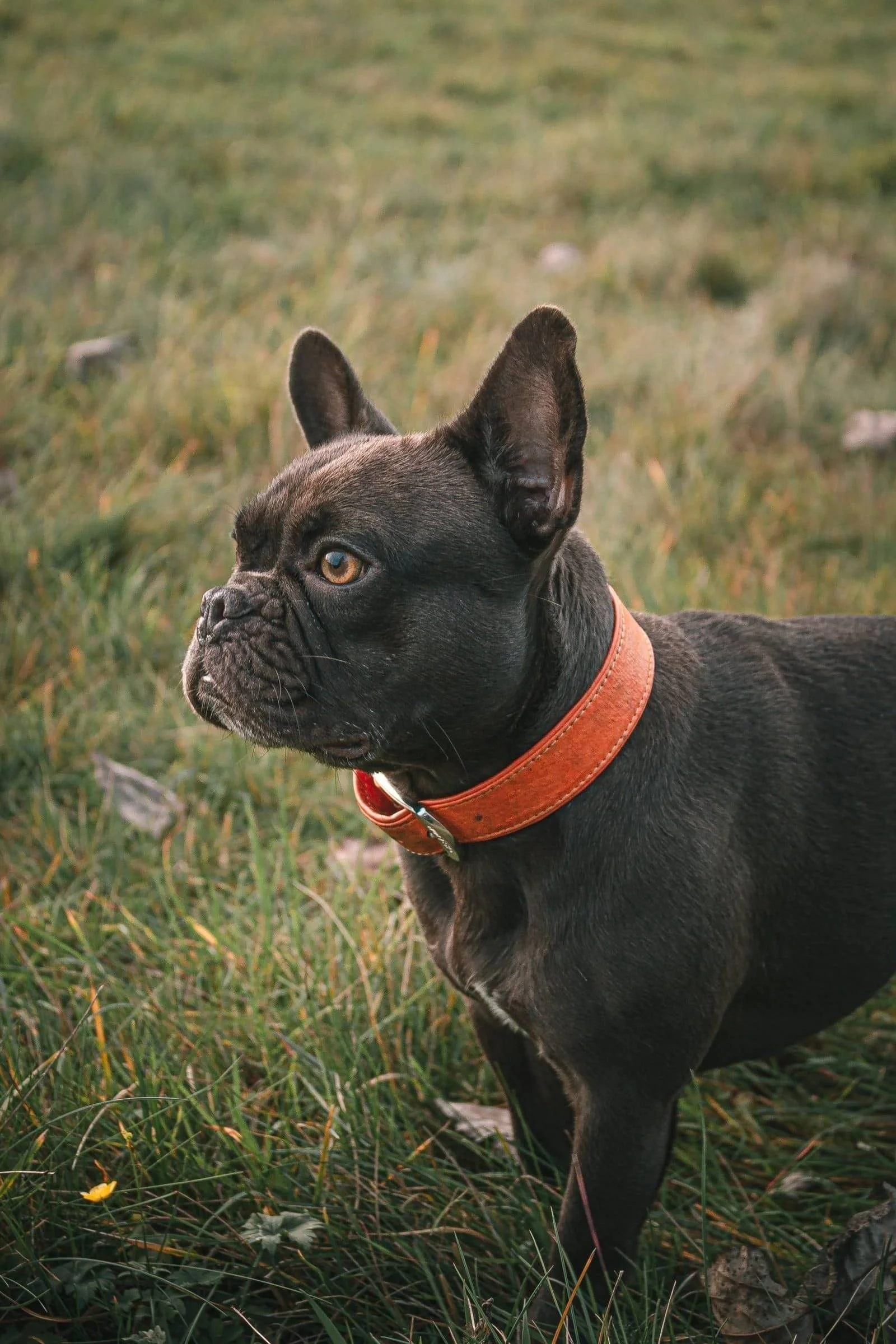


French Bulldogs have captured the hearts of dog lovers across the United States. In fact, they’ve been the most popular dog breed in the U.S. for several years running, topping the American Kennel Club’s list of registered breeds in 2024 (source). That level of popularity leads a lot of people to ask a natural question: are French Bulldogs aggressive?
If you’re considering bringing a Frenchie into your home, whether a playful puppy or a calm retiree, it’s important to understand what this question really means, what the data and experts say, and how your own actions can shape your dog’s behavior.
Let’s explore this together in a way that’s grounded in facts and helpful for everyday families.
When most people ask if French Bulldogs are aggressive, they’re really wondering the following:
These are valid concerns, especially for first-time dog owners or families with kids. Let’s look at what breed temperament research and real behavior data tell us.
According to major breed references, French Bulldogs are known for their affectionate, companion-oriented personalities. They’re often described as playful, easygoing, and adaptable to family life.
Here’s a snapshot of some core temperament traits shown by this breed:
|
Trait |
General Tendency |
|
Friendliness with people |
High |
|
Affection toward family |
High |
|
Watchdog instincts |
Moderate (alerts but not aggressive) |
|
Aggression toward strangers |
Rare without provocation |
|
Tolerance with children |
Usually good with proper social exposure |
Frenchies are typically loyal and enjoy being part of family life. They are not known to be natural protectors or fighters like some working breeds, nor are they predisposed to aggressive behavior by default.
It’s hard to measure aggression in dogs because official bite databases and studies don’t always break down results by breed. However, the available data paints a reassuring picture:
These indicators all support the idea that French Bulldogs are not inherently aggressive dogs.
It’s important to separate natural temperament from specific behaviors that can be labeled aggression. Even the gentlest dogs can growl, snap, or act out under certain conditions. For French Bulldogs, aggression, when it does occur, is generally linked to specific triggers such as
These behaviors are common in many dog breeds and don’t indicate an underlying tendency toward aggression. Instead, they highlight the importance of proper socialization and care.
A well-socialized French Bulldog puppy is far less likely to demonstrate fear-based or aggressive responses later in life. Early exposure to the following helps them grow into confident and friendly adult dogs:
Training is just as important. Positive reinforcement, patience, and clear communication help prevent frustration, misunderstanding, and behavior problems. French Bulldog puppies can be stubborn, so consistency is key.
Aggression isn’t always about temperament. It’s often a signal that something else is going on. For French Bulldogs, health considerations are especially relevant:
Their brachycephalic, or flat-faced, anatomy can lead to breathing difficulties. When a dog struggles to breathe comfortably, stress levels can rise, which may show up as irritability or restlessness.
Joint problems, skin allergies, or other undiagnosed health issues can cause pain that changes behavior. A dog that feels sore or uncomfortable may react more quickly or seem less patient than usual.
Recognizing that behavior can come from medical discomfort as much as emotional factors is an important part of responsible pet ownership.
The discussion about breed aggression must always acknowledge individual variation. Some French Bulldogs may be more assertive or reactive than others based on upbringing, environment, and history.
Anecdotal experiences vary widely among owners, but these stories often highlight situations where environmental stressors or lack of training contributes to behavior issues rather than an inherent aggressive breed nature.
If you’re considering a French Bulldog puppy or retiree, especially from a reputable breeder with a health and temperament focus:
Given their affectionate and adaptable nature, French Bulldogs often make excellent companions for families, individuals, and apartment dwellers alike.
Overall, the evidence supports a clear conclusion: French Bulldogs are gentle, affectionate, and rarely aggressive when raised and cared for responsibly. With their friendly disposition, moderate exercise needs, and big personalities packed into a compact build, it’s no wonder they’ve topped breed popularity charts in the U.S. for several years running.
Most French Bulldogs do well with short walks and light play for about 20 to 30 minutes a day. They prefer steady, low-impact activity over long runs.
Yes, but they can be a bit stubborn. Positive reinforcement, treats, and consistency usually work best for quick results.
They shed lightly year-round. Weekly brushing helps control loose hair and keeps their coat healthy.
Many Frenchies enjoy car rides and short trips, especially when introduced early. Just avoid heat and make sure they stay cool and comfortable.
A balanced, high-quality dog food with the right portion sizes supports healthy weight, digestion, and overall energy.
When you find yourself wondering ifFrench Bulldogs are aggressive, the answer is usually much simpler than you might think. With thoughtful breeding, early socialization, and consistent care, Frenchies are affectionate, playful, and eager to bond with you and your family.
Most behavior issues come from environmental influences, not temperament. That is why choosing the right breeder matters. At BlueHaven French Bulldogs, you can expect well-raised puppies and retirees with stable, loving personalities.
If you are ready for a loyal companion who fits right into your life, you can visit BlueHaven French Bulldogs and meet your perfect match today.
_1792608408.jpg)
Best Washable Pee Pads for Dogs: Reusable, Highly Absorbent Picks for 2026 Bringing home a new French Bulldog puppy means plent...
Read More »_1792604232.png)
What Are the Signs of a French Bulldog Tail Pocket Infection, and Why Does It Matter for Puppy Buyers If you are buying a Frenc...
Read More »_1792603645.png)
Adult vs. Puppy French Bulldog: Which Is Right for You? Trying to decide between adult vs. puppy French Bulldogs: which is righ...
Read More »