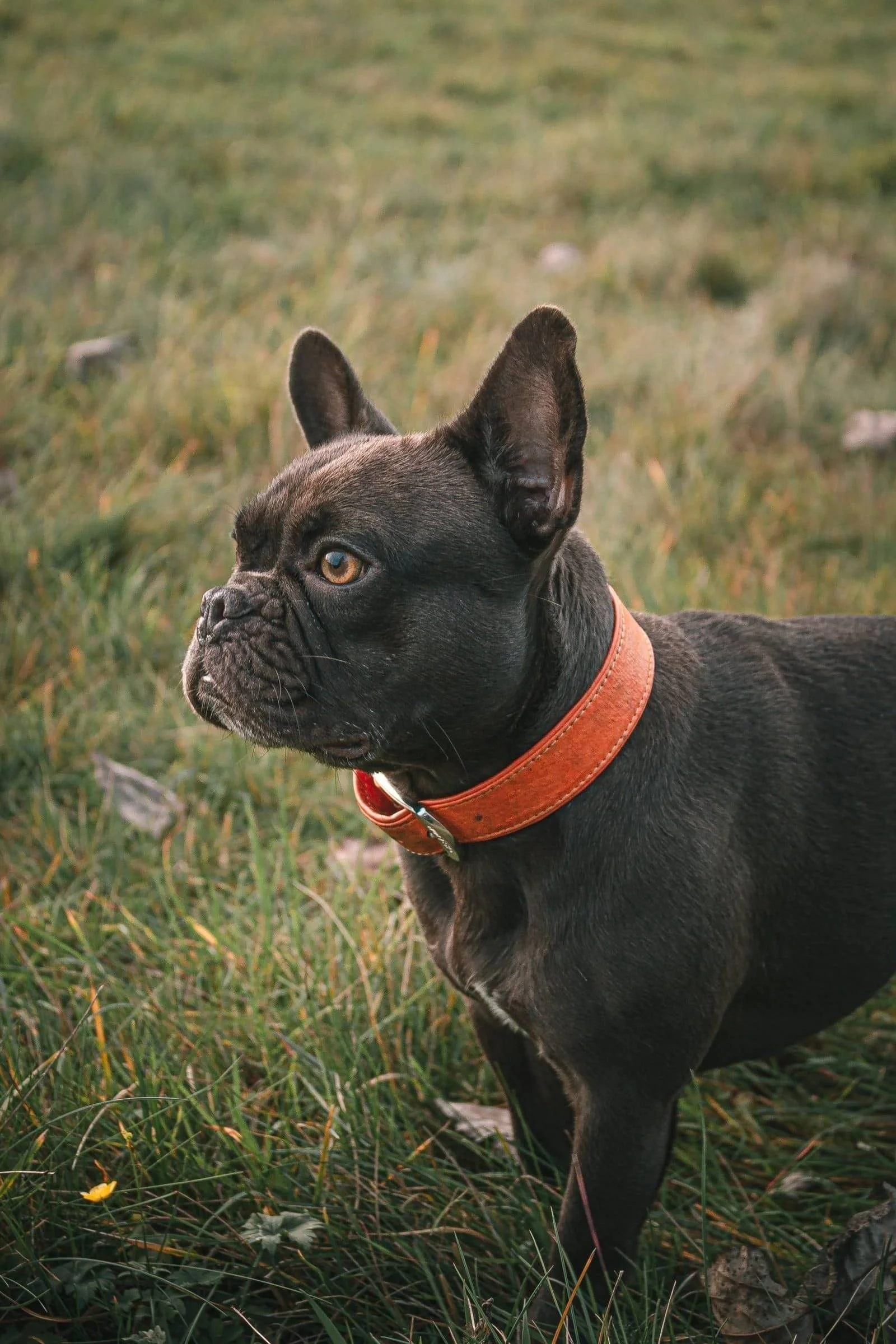


Bringing home a French Bulldog for the first time is both exciting and a little overwhelming. These compact, affectionate dogs are known for their playful personalities and loyal companionship. At the same time, they have unique care needs that every new owner should understand before welcoming one into their home.
Raising a healthy French Bulldog involves more than providing food and shelter. You must pay close attention to nutrition, training, veterinary care, and everyday routines that support the dog’s long-term well-being. Learning the basics early can help prevent many common issues and create a stable, happy environment for your new companion.
“According to the American Kennel Club (2024), the French Bulldog has remained the most popular dog breed in the United States for three consecutive years (2022–2024), surpassing the Labrador Retriever, which previously held the top spot for 31 years.”
This guide outlines the core elements of French Bulldog care, so first-time owners can build healthy habits from the very beginning.
To keep your French Bulldog healthy and happy, it is important to focus on a few key areas of daily care. The following sections explain the most important aspects of raising and maintaining a healthy French Bulldog.
Proper nutrition plays a major role in your dog’s overall health. French Bulldogs may experience food sensitivities, so many owners choose a sensitive stomach dog food and introduce dietary changes gradually.
Many owners find that structured feeding schedules work best. Dividing meals into two portions per day helps maintain steady energy levels and prevents overeating. Portion control is especially important since French Bulldogs can gain weight quickly if overfed.
Fresh water should always be available. Hydration supports digestion and contributes to healthy organ function. In addition, regular hydration supports urinary health, which is an important but sometimes overlooked part of canine wellness.
Some dog parents also include targeted supplements as part of their dog’s routine care. Products developed specifically for urinary health can be useful for dogs prone to irritation or discomfort in that area. If you’re considering supportive options for your dog’s urinary system, you can shop Pup Labs today to learn more about their K9 UTI+ supplement.
Regardless of the diet you choose, consistency is key. Sudden changes in food or feeding times can disrupt digestion and create unnecessary stress for your dog.
French Bulldogs differ from many other breeds in several ways. Their distinctive flat faces, compact bodies, and sensitive digestive systems mean they often benefit from specialized care.
One of the most noticeable features of the breed is its brachycephalic (short-nosed) structure. This can make them more sensitive to heat and strenuous activity. Owners should keep exercise moderate and avoid prolonged exposure to hot weather. Short walks and indoor play sessions usually work best.
“Veterinary research shows that brachycephalic dog breeds, including French Bulldogs, have a significantly higher risk of breathing disorders compared to other breeds due to their shortened airways and facial structure.”
French Bulldogs also thrive on companionship. These dogs bond strongly with their families and can become anxious if left alone for long periods. Establishing consistent routines helps them feel secure and reduces stress-related behaviors.
Because the breed can be prone to certain health concerns, attentive owners should monitor changes in appetite, energy levels, or bathroom habits. Early awareness of these signals allows owners to address potential issues before they become serious.
Training is one of the most important parts of raising a well-adjusted French Bulldog. Although the breed is intelligent, they can also be stubborn at times. Clear communication and patience make a big difference during the training process.
Positive reinforcement techniques tend to work best. Rewarding desired behavior with praise, treats, or play helps your dog understand what you expect. Harsh correction methods can create confusion or fear, which may slow the learning process.
House training should begin as soon as your dog arrives home. Take your puppy outside frequently, and maintain a predictable schedule to help them learn where and when to relieve themselves. Consistency is especially helpful during the first few months.
Basic commands such as “sit,” “stay,” and “come” form the foundation of good behavior. Short training sessions spread throughout the day often produce better results than long, demanding lessons.
Socialization is equally important. Introducing your French Bulldog to new people, environments, and other animals at a young age helps them grow into confident, well-behaved companions.
Regular veterinary visits are essential for maintaining your dog’s health. Routine exams allow veterinarians to monitor growth, detect early signs of illness, and provide vaccinations when necessary.
Your vet will also help you create a preventive care plan tailored to your French Bulldog’s needs. This may include parasite prevention, dental care, and nutritional guidance.
Monitoring your dog’s daily habits at home is just as important as professional care. Pay attention to eating patterns, energy levels, and bathroom routines. Changes in urination frequency or signs of discomfort may indicate a health concern that needs attention.
Some owners incorporate wellness supplements into their pet’s routine to support specific areas of health. When used responsibly and in conjunction with veterinary advice, these types of supplements can be part of a broader approach to preventive care.
Maintaining open communication with your veterinarian ensures any health concerns are addressed quickly and appropriately.
A healthy French Bulldog also benefits from a stable and comfortable living environment. Because the breed is sensitive to temperature extremes, indoor living with controlled temperatures is usually ideal.
Provide a soft, supportive bed where your dog can rest comfortably. French Bulldogs often enjoy having a designated resting spot where they feel safe and relaxed.
Daily activity remains important, even though these dogs do not require intense exercise. Short walks, gentle play, and interactive toys help maintain muscle tone and mental stimulation.
Regular grooming is another important part of home care. Cleaning facial folds, trimming nails, and brushing your dog’s coat help prevent minor irritations from developing into larger problems.
Routine care tasks also offer valuable opportunities to observe your dog closely. Small changes in behavior or appearance can provide early clues about your pet’s health.
Caring for a French Bulldog is a long-term commitment that involves consistent attention to health, training, and daily routines. You can reduce the likelihood of many common health concerns by building strong habits early.
Balanced nutrition, routine veterinary care, and thoughtful home environments contribute to your dog’s overall well-being. Additionally, paying attention to hydration, digestive health, and urinary function also helps maintain comfort and quality of life.
By staying informed and proactive, owners can help their French Bulldogs live happy and healthy lives.
With the right care, these affectionate dogs become loyal companions and loving members of the family for many years.
_1790807345.png)
The Best Dog Training Apps for French Bulldog Puppies in 2026 Your Frenchie puppy is home. The crate is ready, and everyone in ...
Read More »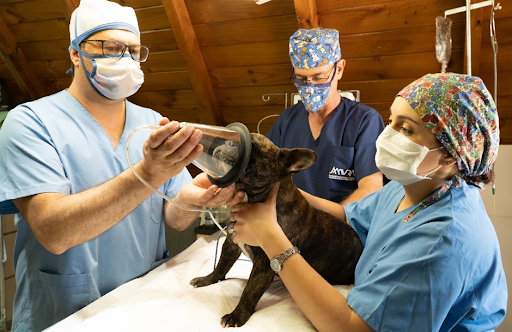
How to Choose a Vet, Groomer, and Daycare in St.Petersburg Hook: French Bulldogs are America’s #1 breed, but their flat fac...
Read More »_1790612259.png)
Home Fencing Ideas for Families With French Bulldogs French Bulldogs bring endless joy to family homes with their playful perso...
Read More »