

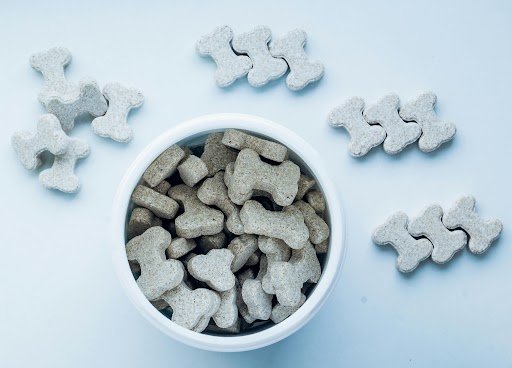
Pet owners today look for more than simple rewards for their dogs and cats. They want treats that support health while pets enjoy the taste. Functional pet treats fill this need by adding ingredients that target specific areas like joint support, digestion, or dental care.
As a pet treats supplier,understanding this shift helps wholesalers, retailers, and private label brands meet demand and build stronger customer loyalty.
Functional pet treats combine the appeal of a snack with added nutritional value. Unlike basic biscuits or chews that mainly provide calories and enjoyment, these products include targeted ingredients such as glucosamine for joints, probiotics for gut health, or omega-3s for skin and coat.
Manufacturers design them as complementary feeds. They work alongside regular pet food rather than replace it. Common formats include soft chews, freeze-dried pieces, jerky-style strips, and dental sticks. Many use single-protein sources or limited ingredients to suit pets with sensitivities.
For pet treats suppliers, this category offers opportunities in both dog and cat segments. Cat owners show strong interest in functional options too, especially for hairball control, urinary health, or dental benefits.
Functional treats provide several advantages for pets and their owners.
Businesses that stock these products often see repeat purchases because owners notice visible improvements in their pets’ energy, coat, or digestion.
While demand grows, suppliers and retailers face several hurdles. Ingredient quality and stability present one main issue. Some beneficial compounds lose effectiveness during processing or storage. Freeze-drying helps preserve nutrients better than high-heat methods in many cases.
Regulatory aspects require attention. Treats fall under different rules than supplements. Claims must stay appropriate for complementary feeds to avoid compliance problems. Clear, honest labeling builds trust.
Cost is another factor. Premium ingredients raise production expenses, which affects retail pricing. Economic pressures make some owners more price-sensitive, pushing suppliers toward a balance of quality and affordability.
Supply chain consistency matters for exotic or functional ingredients. Reliable pet treat suppliers maintain strict testing to ensure batches meet specifications for protein content, purity, and safety.
Shelf life and packaging also need care. Functional treats often require moisture control and protective materials to keep active ingredients effective.
Several developments influence what pet treats suppliers should prioritize.
Cat-specific functional treats expand quickly. Lickable purees, hairball-control options, and dental treats for cats gain shelf space.
Businesses looking to add or expand functional treat offerings should focus on these points when selecting partners:
Matchwell Pets operates as a B2B pet treats supplier with a focus on freeze-dried treats, wet food, and functional options through OEM/ODM services. Their processes emphasize quality control suitable for wholesale and private label buyers.
Stock a mix of everyday treats and functional varieties. Position functional lines near health or senior pet sections for better visibility. Educate staff on product benefits using clear ingredient explanations. Simple comparisons help customers choose suitable options.
Monitor inventory turnover. Functional treats often carry higher price points but deliver stronger margins and loyalty when customers see results. Consider bundle offerings, such as pairing joint support treats with basic nutrition products.
Track customer feedback and sales data to adjust assortment. Popular benefits like digestion and mobility usually lead sales.
Functional pet treats represent a solid growth area for the pet industry. They let owners reward their animals while contributing to health goals in digestion, mobility, dental care, and more. For pet treats suppliers, retailers, and brands, success depends on quality ingredients, clear labeling, reliable sourcing, and staying current with owner preferences.
Businesses that partner with experienced manufacturers can offer competitive, high-value products that stand out in a busy market. As pet owners continue treating animals as family members, demand for thoughtful, functional snacks should remain strong.
_1790807345.png)
The Best Dog Training Apps for French Bulldog Puppies in 2026 Your Frenchie puppy is home. The crate is ready, and everyone in ...
Read More »
How to Choose a Vet, Groomer, and Daycare in St.Petersburg Hook: French Bulldogs are America’s #1 breed, but their flat fac...
Read More »_1790612259.png)
Home Fencing Ideas for Families With French Bulldogs French Bulldogs bring endless joy to family homes with their playful perso...
Read More »