
Watching a beloved dog grow older is one of the most rewarding parts of pet ownership. Senior dogs often develop deeper bonds with their families, enjoy quieter routines, and bring a calm presence to the home. At the same time, aging comes with physical and health changes that require extra attention. For owners of French bulldogs, recognizing these changes early can help improve comfort and quality of life throughout the senior years.
French bulldogs typically begin showing signs of aging between seven and ten years of age. Every dog ages differently, but several common changes may become noticeable over time.
Senior dogs may sleep more during the day, move more slowly, or show less interest in high-energy activities. Some may gain weight due to lower activity levels, while others may lose muscle mass. Changes in hearing, vision, and memory can also occur.
Owners should pay attention to any sudden shifts in behavior. Increased thirst, difficulty standing, coughing, appetite changes, or confusion may indicate an underlying health issue that requires veterinary attention.
Weight management becomes increasingly important as Frenchies age. Extra weight places additional strain on joints, the spine, and the respiratory system. Since French bulldogs already have a compact body structure, carrying excess pounds may make everyday movement more difficult.
Portion control is often one of the simplest ways to support a senior dog’s health. Owners should review feeding amounts regularly and discuss dietary adjustments with their veterinarian when activity levels change. Healthy treats can still be part of daily life, but moderation is important. Small rewards often work just as well as larger snacks.
Joint stiffness is common among senior dogs. Many older French bulldogs experience arthritis or general mobility challenges as they age. Difficulty climbing stairs, reluctance to jump onto furniture, and slower movement after resting may signal joint discomfort.
Short daily walks help maintain flexibility and muscle strength without placing excessive stress on aging joints. Consistent activity is usually more beneficial than occasional intense exercise.
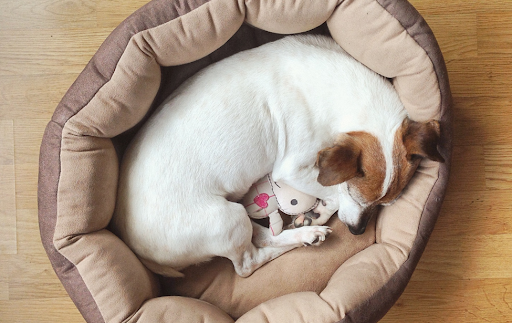
Soft bedding, non-slip flooring, and easy access to favorite resting areas may also improve daily comfort. Simple changes around the home often make a significant difference for older dogs.
French bulldogs are known for their unique facial structure, which may contribute to breathing challenges throughout life. As dogs age, owners should watch for increased panting, exercise intolerance, coughing, or breathing difficulties. These symptoms may warrant a veterinary evaluation.
Heart health also becomes more important during the senior years. Regular wellness exams help veterinarians monitor cardiovascular function and identify concerns before they become serious. In some situations, diagnostic tools such as a Holter monitor for dogs may be recommended to evaluate heart rhythm patterns over an extended period. Early detection often provides more treatment options and better long-term management.
Routine veterinary visits play an important role in senior pet care. Annual exams are valuable for younger dogs, but many veterinarians recommend more frequent wellness visits for seniors. Bloodwork, dental evaluations, weight monitoring, and physical examinations help identify age-related issues earlier.
Older dogs may develop kidney disease, heart conditions, arthritis, or hormonal disorders that are easier to manage when diagnosed promptly. Preventive care helps families make informed decisions about treatment and daily management.
Dental disease affects many senior dogs and may contribute to pain, difficulty eating, and other health concerns. Bad breath, red gums, loose teeth, and changes in chewing habits should never be ignored. Regular dental cleanings and at-home oral care may help reduce plaque buildup and support overall health.
Owners should speak with their veterinarian about the best dental care routine for their dog’s age and condition. Good oral health supports comfort and may reduce the risk of complications involving other body systems.
Mental stimulation remains important throughout a dog’s life. Senior Frenchies often enjoy puzzle toys, scent games, gentle training sessions, and interactive play with family members. These activities help keep the mind engaged while providing emotional enrichment.
Consistency is also helpful. Older dogs often thrive when feeding schedules, walking routines, and sleeping arrangements remain predictable. Simple daily interaction can contribute greatly to emotional well-being and confidence.
Aging dogs benefit from living spaces that support changing physical needs. Ramps may help dogs reach furniture safely. Elevated food and water bowls may reduce strain during meals. Temperature control is also important because senior dogs may become more sensitive to heat and cold.
Families should observe how their dog moves through the home and identify areas where adjustments may improve comfort and accessibility. Small modifications often help senior pets remain active and independent longer.
Senior French bulldogs bring years of companionship, loyalty, and affection to their families. With proper nutrition, regular veterinary care, joint support, mental enrichment, and a comfortable home environment, many aging Frenchies continue to enjoy happy and fulfilling lives. At BlueHaven, celebrating every stage of a dog’s journey means recognizing the unique needs of senior French bulldogs and helping them enjoy their golden years with comfort, dignity, and love. Look over the infographic below for more information.
_1790807345.png)
The Best Dog Training Apps for French Bulldog Puppies in 2026 Your Frenchie puppy is home. The crate is ready, and everyone in ...
Read More »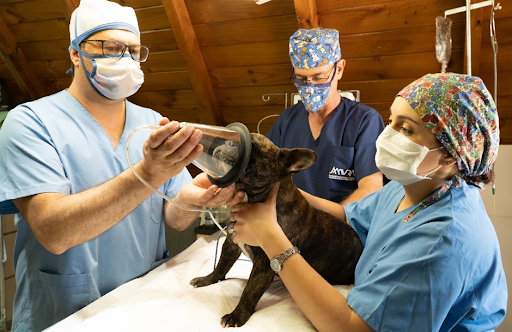
How to Choose a Vet, Groomer, and Daycare in St.Petersburg Hook: French Bulldogs are America’s #1 breed, but their flat fac...
Read More »_1790612259.png)
Home Fencing Ideas for Families With French Bulldogs French Bulldogs bring endless joy to family homes with their playful perso...
Read More »