
_1793308814.png)
The safest way to introduce a kitten to a French Bulldog is to go slowly and in stages. Give the kitten its own room first, let both pets learn each other’s scent for several days, and then hold short, leashed meetings while you watch closely. Many pairs settle in within a few weeks, though some need longer.
If you’re planning to keep a Russian Blue kitten and French Bulldog under one roof, the odds are good. Frenchies are affectionate and easygoing, and a Russian Blue’s calm, quiet nature suits that personality well.
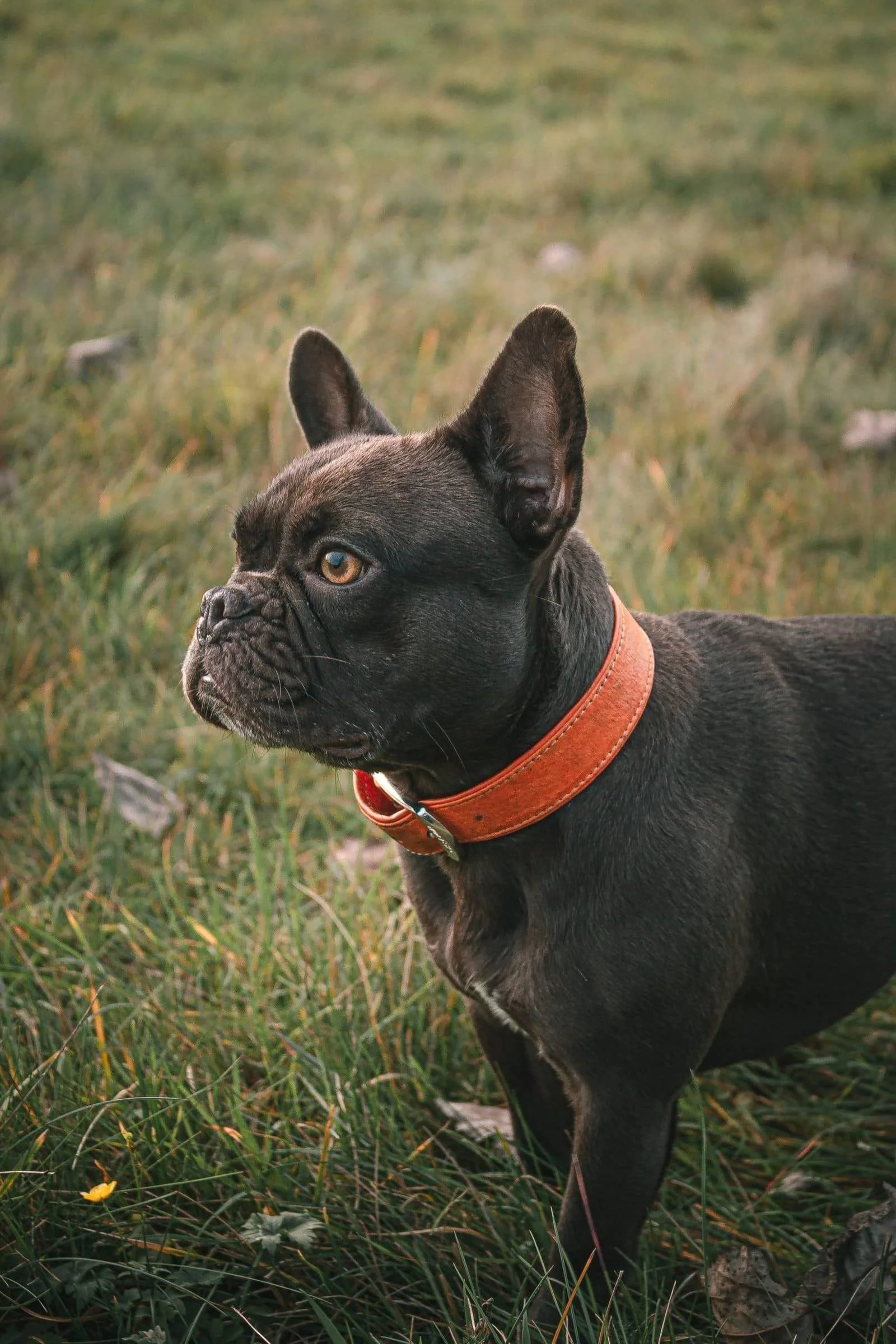
French Bulldogs snort, snore, and follow their people from room to room. Not every kitten copes well with that. Russian Blue kittens and French Bulldogs tend to pair well, though. The cats are gentle and observant, and they like to watch from a safe spot before joining in. That cautious streak means fewer wild chase games that wind up an excitable dog.
When choosing a Russian Blue kitten, ask the breeder whether the litter has been around dogs, other cats, or normal household noise. A kitten raised in a busy home will handle a Frenchie much better.
It’s also worth checking the typical blue Russian cat price before you contact breeders so you can tell a fair offer from one that looks too cheap to trust.
These cats are affectionate but reserved. They bond closely with their family, yet may hide from new faces for the first few days. A Russian Blue also loves routine and dislikes sudden change, so don’t rush the first meeting just because your dog is eager to say hello.
Your dog needs preparation too. Frenchies are rarely aggressive, but they are solid, excitable, and not always aware of their own weight. A happy pounce from a 20-pound bulldog can easily injure a small kitten, so practice “sit,” “leave it,” and a reliable recall for a couple of weeks before the cat arrives.
Excitement matters for another reason. French Bulldogs are a flat-faced breed, and a dog that gets worked up can start panting hard and struggle to cool down. Hold early meetings in a cool room, not right after play on a warm day. A moderate walk beforehand helps your Frenchie stay relaxed.
If your puppy came from BlueHaven French Bulldogs, ask the breeder how the litter was socialized and whether it met cats or other small pets. That history shows how much extra practice your dog may need. Also check that his vaccines and flea prevention are up to date.
Owners who bring a kitten and French Bulldog together often find that the dog’s routine matters just as much: keep walks, meals, and cuddle time the same so he doesn’t link the new pet with losing attention.
For the first three to seven days, keep the kitten in a separate room with a litter box, food, water, a scratching post, and a covered bed. Helping a kitten adjust to a new home starts here, where it can explore at its own pace.
Expect your Frenchie to camp outside the door, whine, or snort under the gap. Redirect him with a chew toy and reward him when he walks away on his own.
Swap scents too. Rub a soft cloth on the kitten’s cheeks and leave it near the dog’s bed, then do the reverse. By the time they meet, both pets know each other’s smell, which takes much of the fear out of the first meeting. Place the litter box where your bulldog can’t reach it, since many dogs find it far too interesting.
Once the kitten eats, plays, and uses the litter box normally, you can start supervised introductions between cats and dogs. Keep the first sessions short and predictable:
Always give the kitten an escape route. French Bulldogs are poor jumpers, so a cat tree or a high shelf gives a shy Russian Blue a dog-free zone where it feels in control.
Good signs from your dog include a loose body, a relaxed tail wag, and easy sniffing. Fixed staring, stiffness, or lunging mean you should go back a step. For the kitten, slow blinks and curious approaches are positive, while flat ears or a puffed tail mean it needs more time.
With a kitten and French Bulldog, some early hissing is normal as long as it fades within a few sessions.
Feed the two pets apart. Frenchies are famously food-driven, and cat food is too rich for them. The extra calories also add weight, which makes breathing harder for this breed. Feed the kitten on a counter or in its own room.
The introduction has worked when the kitten walks past your Frenchie without freezing, the dog ignores the cat or gives a relaxed sniff, and both can nap in the same room while you’re home. Until the kitten is five or six months old, keep them apart when you leave the house.
This pairing works because the cat’s cautious nature balances the dog’s friendly energy. A Russian Blue kitten and French Bulldog need four things: a kitten that has met dogs before, a Frenchie trained on “leave it,” a separate room with scent swapping for the first week, and short leashed meetings in a cool, quiet space.
Whether your dog came from BlueHaven or another breeder, follow that plan, and most households will see a peaceful routine within a few weeks.
If you're considering adding a French Bulldog to your family, BlueHaven French Bulldogs can help you learn more about their puppies, breeding program, and available resources for owners. Visit BlueHaven French Bulldogs to explore the website and get in touch to discuss finding the right Frenchie for your home.
How to Introduce a Kitten to a French Bulldog The safest way to introduce a kitten to a French Bulldog is to go slowly and in s...
Read More »_1793226220.png)
Best Apartment Amenities for French Bulldog Owners French Bulldogs can be well suited to apartment living. Their compact size a...
Read More »_1792608408.jpg)
Best Washable Pee Pads for Dogs: Reusable, Highly Absorbent Picks for 2026 Bringing home a new French Bulldog puppy means plent...
Read More »