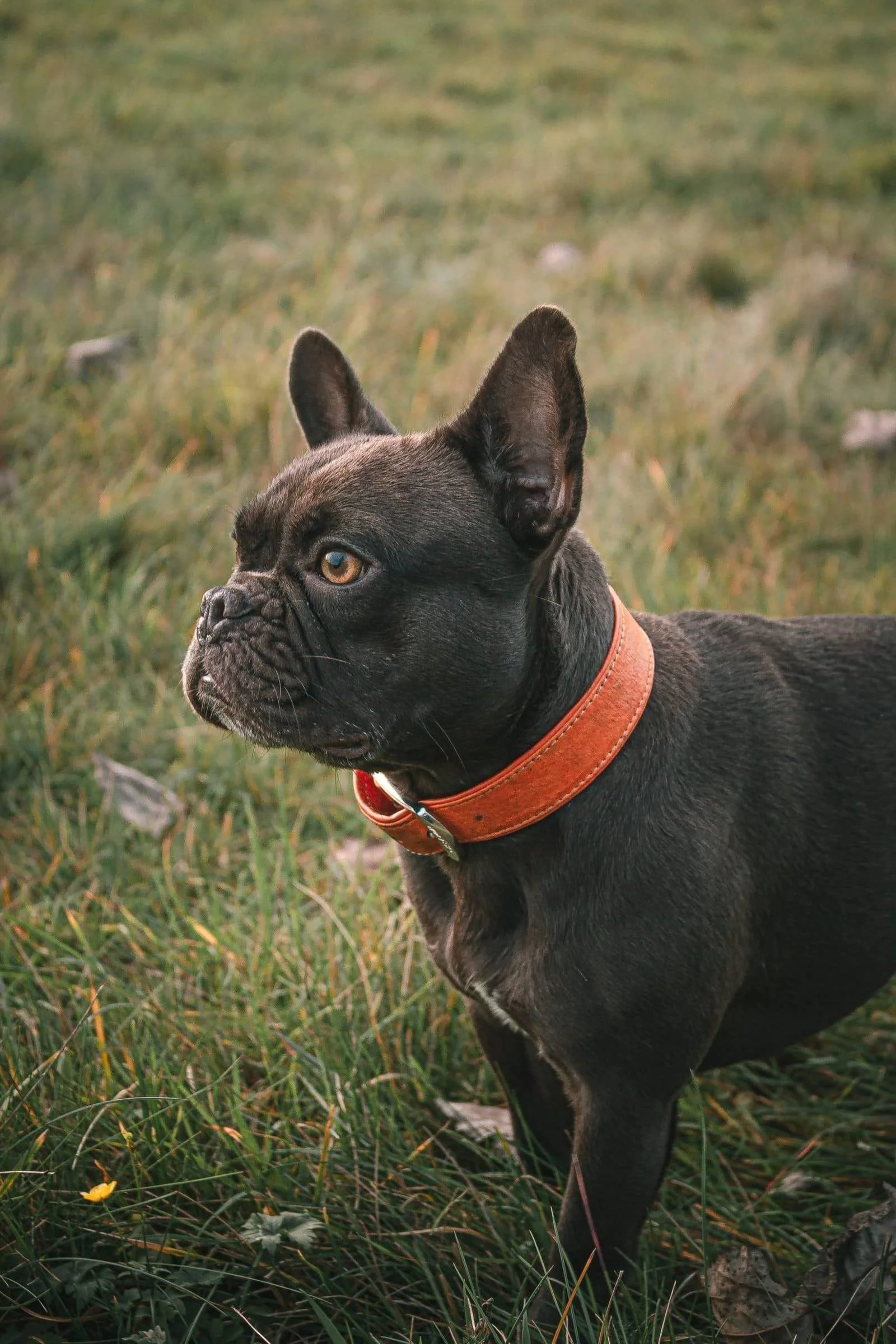


The first clue is rarely a flea you can actually see. It is a Frenchie rubbing its chin along the living room rug or a new puppy gnawing at the base of that stubby tail while you try to watch TV.
On a fawn or cream coat you might spot the dark specks of flea dirt. On a brindle or black Frenchie, you usually notice nothing until the scratching keeps you up at night.
French Bulldogs pick up these pests easily. A short single coat leaves the skin exposed, and the facial wrinkles and tail pocket give fleas and ticks somewhere to hide. Many Frenchies already have sensitive, allergy-prone skin, so a few bites can turn into red, irritated patches within days.
Owners often assume an indoor lap dog is safe. That assumption is where most problems start.
According to the Companion Animal Parasite Council, several tick species spread ehrlichiosis, and the brown dog tick can live in and around homes, so dogs in many parts of the country can be infected year-round.
Ehrlichiosis risk stays high across Texas and the rest of the South. Because the brown dog tick does well indoors, a cold snap will not protect your Frenchie.
Your vet's monthly preventive protects the dog, but most of the flea life cycle happens in carpets, bedding, and shady soil.
If your Frenchie lives in the warm, humid country outside San Antonio, a pet-conscious service like EcoForce Pest Management in Cibolo can treat the yard edges, patio, and home perimeter where flea larvae and brown dog ticks wait. That covers the ground a chewable never reaches.
|
What the forecast data shows |
Figure |
|---|---|
|
Years of national canine disease forecasts (Lyme, ehrlichiosis, anaplasmosis, heartworm) |
Issued every year since the program began, now well over a decade |
|
Historical forecast accuracy |
More than 94% |
|
Diagnostic test results reported per disease each year |
More than 10 million |
|
Regions where Ehrlichia risk stays high |
Southeast, Southwest, south-central (including Texas), and coastal Atlantic states |
|
Transmission season in many areas |
Year-round, helped by the brown dog tick living in and around homes |
From about March through September, flea eggs hatch fast. In warm, humid weather, the trip from egg to biting adult can take as little as two to three weeks. One flea in April can become a full infestation by Memorial Day weekend.
Frenchies make this worse because they love to sprawl. A dog lying belly-down on cool patio pavers or in damp grass under a shade tree is lying in prime flea and tick habitat. Keep grass short along fence lines and rake leaf litter out from under decks.
Move the water bowl away from shady corners where wildlife stops to drink, since opossums, raccoons, and stray cats carry fleas into Texas yards every summer.
Spring is also when to book outdoor treatment. Ask any pest professional three things:
A good technician will answer all three without hedging. Check your dog every evening after outdoor time.
Run your fingers between the toes, inside the ears, under the collar, around the tail pocket and through each facial fold. Ticks on a Frenchie often attach in the deepest wrinkle above the nose, where most people never think to look.
Once the weather cools, prevention slips. The yard looks quiet, the dog spends more time on the couch, and the monthly dose gets skipped in November or December.
Meanwhile, fleas that came inside in August are still breeding in the carpet. Pupae can sit in a rug for weeks until body heat and vibration from a passing dog trigger them to hatch.
Switching on the heat gives fleas an indoor summer. Wash your Frenchie's bedding, crate pad, and throw blankets on hot every week, and vacuum under the furniture where dogs like to tuck in. Then empty the vacuum canister outside right away, or the eggs and larvae you just collected can land back on the floor.
Brown dog ticks are the other winter problem. They can finish their whole life cycle indoors, crawling up walls and hiding behind baseboards and in kennel cracks. Find one on your dog in January, and you should assume more are nearby. Have the house inspected.
The plan that works pairs the vet's protection for the dog with a pet-safe treatment for the home and yard. Work in this order:
If you are bringing home a new puppy, discuss an appropriate parasite prevention schedule with your veterinarian before starting any treatment. Puppies may require different products and dosages depending on their age and weight. Never use a preventive intended for adult dogs without first checking that it is suitable for your puppy.
Preparing for a French Bulldog puppy involves more than choosing the right breeder. Before bringing your puppy home, make sure you have a veterinarian who can guide you on vaccinations, flea and tick prevention, grooming, and routine health care.
At BlueHaven French Bulldogs, a multi-generational family breeding program, families can explore high-quality AKC-registered French Bulldogs and learn more about the puppies the family has raised.
If you are looking for a French Bulldog to join your family, you can contact BlueHaven to discuss your preferences and upcoming availability. BlueHaven can help you find the puppy of your dreams soon.
Yes. Year-round prevention is generally recommended, even for dogs that spend most of their time indoors. Your veterinarian can recommend a suitable product and schedule based on your dog's needs and local parasite risks.
Yes. Fleas and ticks can enter homes through other animals, people, and outdoor environments. Brown dog ticks can also establish infestations indoors, making regular prevention and home maintenance important.
Examine the entire coat and skin, paying particular attention to the ears, paws, spaces between the toes, facial folds, underneath the collar, and around the tail pocket. Regular checks after outdoor activities can help you identify parasites early.
Wash bedding, blankets, and crate pads regularly according to their care instructions. Vacuum carpets and furniture where your dog rests to help maintain a clean indoor environment.
Flea and tick prevention should be part of your French Bulldog's regular care routine, regardless of the season. Consistent veterinary-approved prevention, regular grooming, and a clean home environment can help protect your Frenchie from parasites and the irritation they cause.
Looking for a healthy, well-bred French Bulldog to welcome into your family? Contact BlueHaven French Bulldogs to learn more about their AKC-registered puppies, regularly available retirees, and upcoming availability. Let BlueHaven help you find the Frenchie you've been looking for.
Protecting Frenchies From Fleas and Ticks All Year Long The first clue is rarely a flea you can actually see. It is a Frenchi...
Read More »
How to Clean a French Bulldog Tail Pocket the Right Way: A Step-by-Step Guide for New Frenchie Owners A French Bulldog's ...
Read More »_1795097910.png)
French Bulldog Puppy vs. Adult Food Cost: Which Stage Fits You? Feeding a French Bulldog involves more than buying a bag of dog...
Read More »