
Dogs bark at passing leaves, sniff the same patch of grass for minutes, tilt their heads at new sounds, or circle before settling down. Each action has a purpose, even when it looks random or funny. Nonetheless, pet owners often wonder what those actions mean.
This guide breaks down common canine behavior in simple terms!
Many people want to understand the motivation behind their dog’s choices so they can respond with patience rather than frustration. Here are common reasons why your pet behaves the way it does.
Many of a dog’s behaviors come from instincts that existed long before domestication. For instance, wolves needed to dig for shelter, track prey, guard resources, and move with caution through their environment. As such, traces of those instincts remain in modern dogs.
For instance, why do dogs circle before they lay down
That small routine originally helped wolves flatten grass, check the ground for insects or threats, and create a secure resting space. Even though a Frenchie may sleep on a soft bed or carpet, the instinct remains.
No two breeds behave the same way because genetics influence motivation and preference. For example, French Bulldogs tend to stay close to their owners and seek physical closeness since they were bred as companion dogs.
Terriers often show strong digging or chasing behaviors because their breeding focused on pursuing underground prey. Retrievers, on the other hand, frequently carry objects or enjoy repetitive fetching because they were developed to retrieve game for hunters.
Dogs communicate long before they act, and understanding those signals helps prevent confusion.
Their body language, vocal tone, and even scent cues allow them to share how they feel and what they need. As such, a tail doesn’t always mean happiness. Its position, speed, and stiffness can signal excitement, uncertainty, or caution.
Subtle gestures like yawning, licking lips, or turning the head away often appear when a dog tries to ease tension during an uncomfortable moment. Barking follows the same pattern. Sometimes it warns, sometimes it invites play, and sometimes it expresses frustration.
Over time, experiences teach dogs what works. As such, a dog that jumps and receives attention, even briefly, learns that jumping is effective. One that barks and sees someone step back or open a door learns that barking creates change.
On the positive side, consistent reinforcement teaches helpful habits, such as sitting before greeting or walking calmly beside a person. Dogs form these associations quickly and often without conscious intention from the owner.
Even if behavior develops through learning, the environment still strongly influences how a dog responds in the moment. Dogs notice movement, scent, and sound more intensely than people realize.
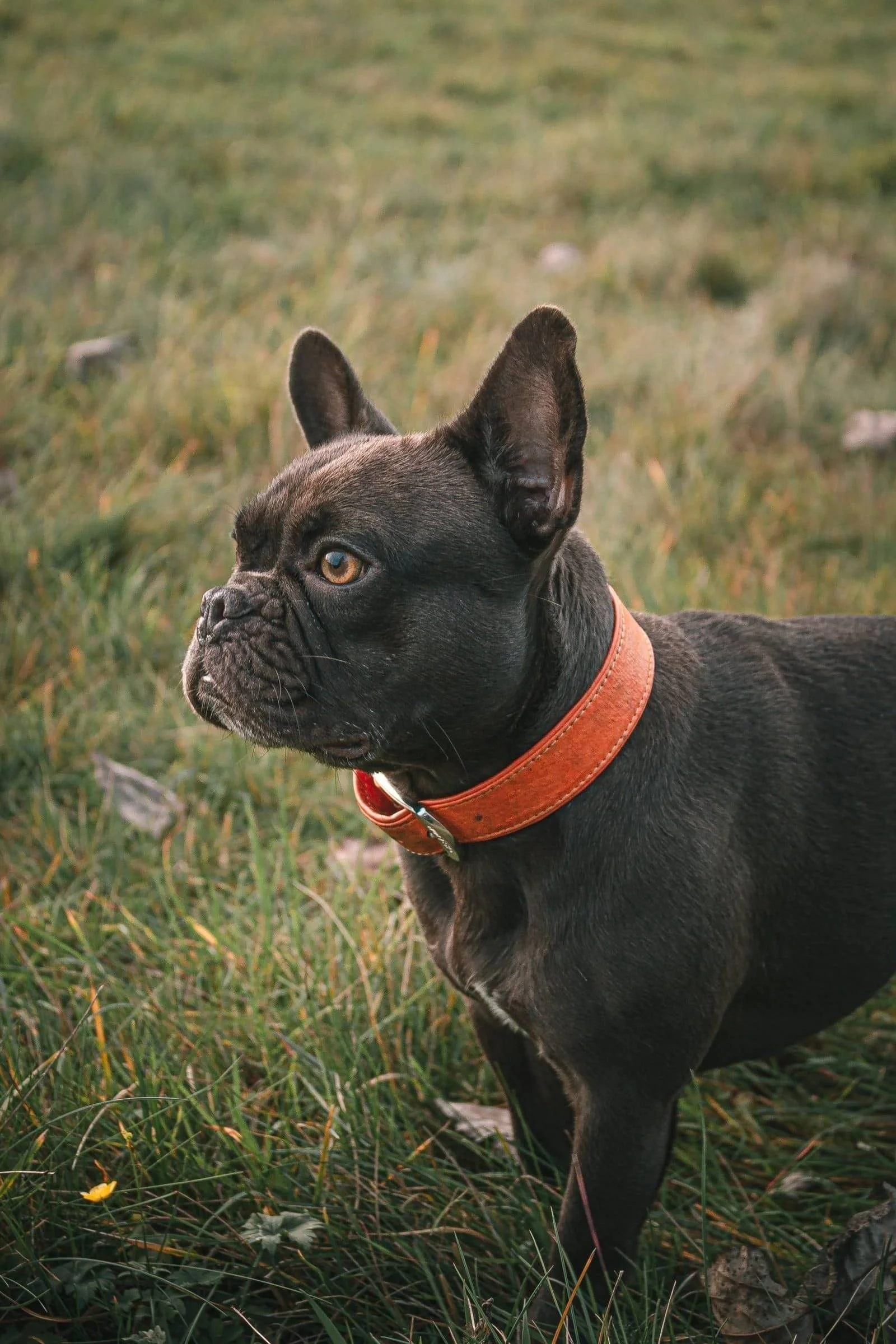
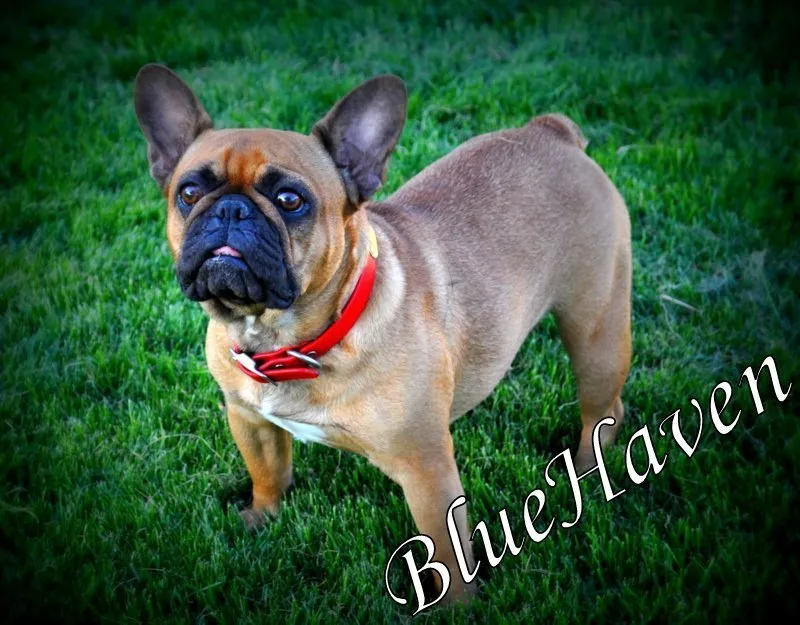
For example, imagine walking in a park with a Frenchie from BlueHaven French Bulldogs. A rustling bush or a fast-moving bird may immediately grab their attention, and that shift can create pulling, sudden stopping, or excited sniffing.
Understanding canine behavior builds a stronger, more trusting relationship between dogs and the people who care for them.
For example, recognizing that barking may be communication rather than misbehavior allows owners to respond calmly rather than reacting with frustration. Additionally, knowing that a behavior like pacing or whining may come from uncertainty or emotion gives space for support rather than correction.
_1792608408.jpg)
Best Washable Pee Pads for Dogs: Reusable, Highly Absorbent Picks for 2026 Bringing home a new French Bulldog puppy means plent...
Read More »_1792604232.png)
What Are the Signs of a French Bulldog Tail Pocket Infection, and Why Does It Matter for Puppy Buyers If you are buying a Frenc...
Read More »_1792603645.png)
Adult vs. Puppy French Bulldog: Which Is Right for You? Trying to decide between adult vs. puppy French Bulldogs: which is righ...
Read More »