

At BlueHaven French Bulldogs, we know that being a Frenchie parent is a journey of immense joy, but it also comes with unique responsibilities. Because of their distinct anatomy, understanding the difference between a “weird noise” and a medical emergency is vital for every owner.
In this article, we will delve into the critical warning signs of Frenchie distress and explore the practical steps you can take to ensure your companion stays safe and healthy.
There’s a particular kind of fear that comes with loving a French Bulldog!
It’s not the dramatic movie-scene panic; it’s quieter. It’s the moment your dog makes a sound you’ve never heard before—half snort, half gasp—and you freeze, trying to translate it into a decision. It’s the way you start bargaining with time: Let’s wait ten minutes. Let’s see if they settle. Let’s not overreact.
In that space between worry and action, Frenchies can slip from “probably fine” to “not fine” faster than most breeds.
That’s not alarmist; it’s anatomy!
French Bulldogs are built for closeness and comedy: compact, affectionate, and expressive. However, their flat faces and compact airways can make breathing and overheating issues escalate quickly, especially when stress, excitement, heat, or illness is layered on top.
This is why many emergency teams in places like Denver, where altitude, seasonal heat swings, and active lifestyles intersect, see Frenchies in urgent care settings more often than owners expect.
Frenchies are brachycephalic (flat-faced), which can make them more vulnerable to airway stress, especially with heat, excitement, or respiratory illness. Frenchie care resources frequently emphasize monitoring breathing patterns and recognizing severe fatigue or collapse as emergency-level situations.
A helpful mindset: don’t focus on diagnosing at home. Focus on pattern recognition and some common problems they go through:
Breathing is the most critical factor for this breed. When the airway is struggling, a French Bulldog can deteriorate faster than many owners expect.
Owner note: You don’t need to be 100% sure it’s “serious” to call. With breathing, the safest rule is if effort looks increased, treat it as urgent until a professional tells you otherwise.
Veterinarians at an emergency vet in Denver, CO, emphasize that timing matters; getting your pet evaluated sooner can help control pain, breathing distress, dehydration, or shock before it escalates.

Sploot’s emergency care team in the Denver area sees these urgent scenarios day after day, which is why their model is designed for walk-in problems that need decisions, not delays.
Frenchies can make dramatic sounds that look terrifying but pass quickly. This short distinction helps you decide faster:
If you’re unsure, video the episode, as it helps clinics triage fast!
French Bulldogs don’t cool down as efficiently as longer-nosed breeds, and multiple BlueHaven French Bulldog articles warn that heat and dehydration can lead to sunstroke or heatstroke.
Practical prevention habits: Walk early/late, keep play short in warm weather, avoid hot pavement, and build “cool-down breaks” into every outing.
Frenchies are notoriously curious, and many will chew toys, socks, bones, or “interesting” objects. If you suspect your dog swallowed something, or you see repeated vomiting, don’t treat it like a routine stomach bug.
When a foreign object obstructs the GI tract, it’s considered an emergency and may require imaging and removal.
This is one of the biggest “don’t wait and see” categories!
Why same-day emergency access is helpful
If your Frenchie is dealing with any of the time-sensitive issues—breathing distress, suspected blockage, toxin exposure, sudden collapse, or severe vomiting—and you want a clinic option that can triage quickly, run diagnostics, and tell you what to do next.
Waiting days for an opening can turn “treatable” into “critical,” especially for brachycephalic dogs.
Triage isn’t about being stoic. It’s about giving your panic a structure.
Here’s the structure emergency vets tend to appreciate most, because it helps them move faster:
This isn’t just logistical. It’s emotionally grounding, especially with the right veterinarian for your Frenchie.
A simple “Frenchie urgent care pack”
Use this as your “don’t overthink it” guide.
Go now / urgent call |
Same-day evaluation is smart |
Monitor (with boundaries) |
|
Trouble breathing, blue gums, collapse Repeated vomiting and weakness Suspected toxin or swallowed object Uncontrolled bleeding, severe injury |
Vomiting/diarrhea that persists Limping with pain or swelling Ear infections with severe discomfort Sudden behavior change and lethargy |
Mild, single vomit but normal energy after Slight appetite dip for one meal (no other symptoms) Minor itchiness without swelling or breathing changes |
If you’re unsure, err on the side of calling, especially with Frenchies and breathing/heat concerns.
Waiting often isn’t “being calm”: it’s avoiding regret! A lot of owners confuse “calm” with “stillness.”
But calm can look like moving quickly, calling ahead, and walking into urgent care with a shaky voice and a clear decision.
Because the regret that haunts people isn’t “I went in and it was fine.”
It’s “I waited because I didn’t want to be dramatic.”
If your Frenchie is having a breathing episode that doesn’t settle, if they’re overheating, if they’re repeatedly vomiting, if their belly looks wrong, if they’re collapsing, or if their gums are pale or blue, those aren’t moments to prove you can handle it alone.
They’re moments to use the safety net you’re allowed to use.
A final note from the clinician’s side of the room
Veterinary teams, especially those at Sploot’s emergency care in Denver, who see urgent cases daily, are not impressed by endurance. They’re impressed by clarity. You don’t have to explain it perfectly. You don’t have to justify your worry. You don’t have to wait until your dog is “bad enough” to deserve help.
You just have to do the kindest thing!
French Bulldogs don’t need “perfect” owners. They need owners who notice patterns and act early, especially when breathing, heat, sudden weakness, or repeated vomiting is involved. The most practical safety plan is simple: know your dog’s baseline, recognize the red flags, and choose movement over hesitation when something shifts fast.
If you remember one rule, make it this: for Frenchies, breathing and overheating aren’t “symptoms” to watch; they’re emergencies. When you’re unsure, you don’t need a diagnosis at home.
“You need a next step: call, get triaged, and let a veterinary team tell you what’s urgent and what can wait!”
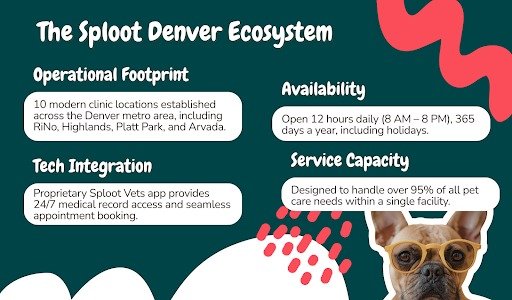
And if you’re in a city like Denver, where altitude, temperature swings, and active routines can amplify respiratory stress, it helps to already know your options.
Clinics built for urgent walk-ins, like Sploot’s emergency care team, exist for the moments when your gut says this isn’t normal and your Frenchie can’t afford a long wait. Because the goal isn’t to “never go in.” The goal is to go in early enough that it stays manageable for your French Bulldog and for you.
For more tips on keeping your companion happy and healthy, or to find your next four-legged family member, visit us at BlueHaven French Bulldogs.
_1792096239.png)
Emerging Pest Control Trends: What's Changing in How Pet Owners Protect Their Homes and Families For families who share the...
Read More »_1792087805.png)
What Professional Pest Technicians Know About Tick Prevention That French Bulldog Owners Often Miss French Bulldog owners spend...
Read More »_1790807345.png)
The Best Dog Training Apps for French Bulldog Puppies in 2026 Your Frenchie puppy is home. The crate is ready, and everyone in ...
Read More »