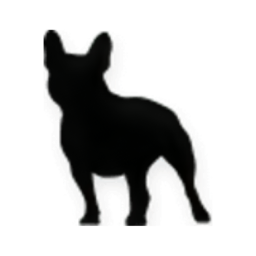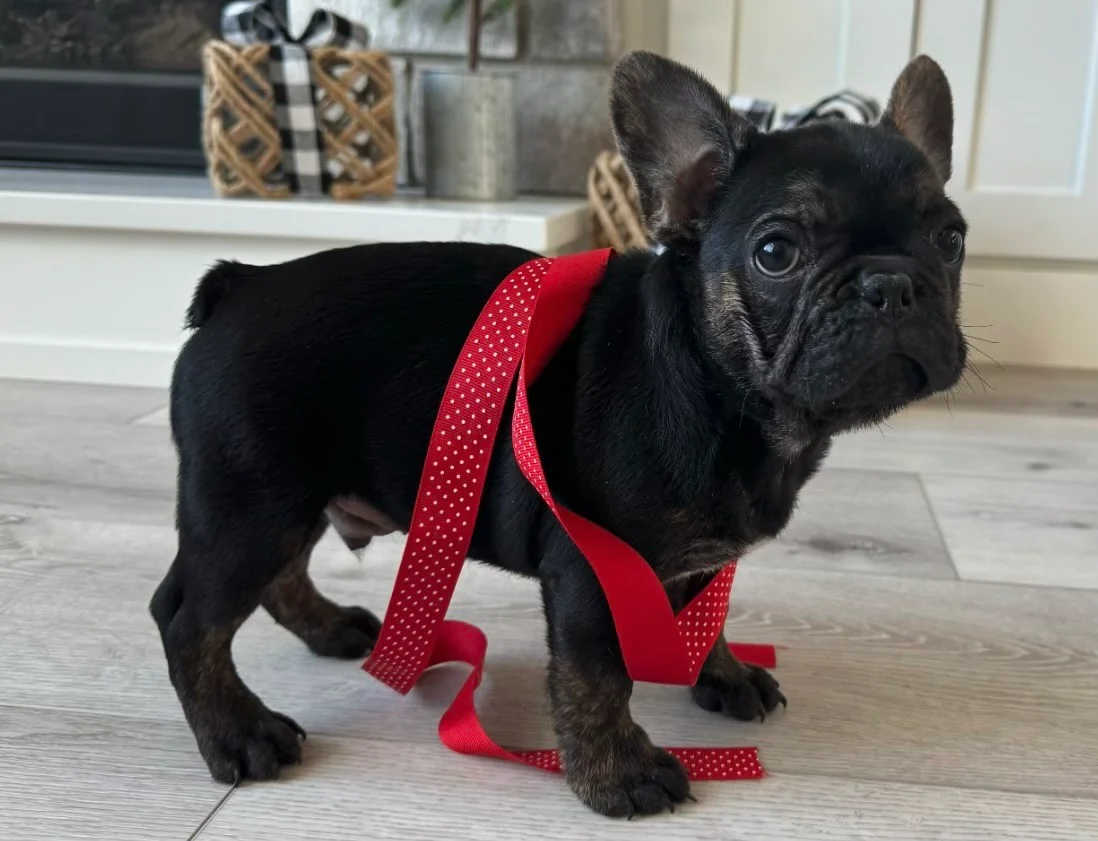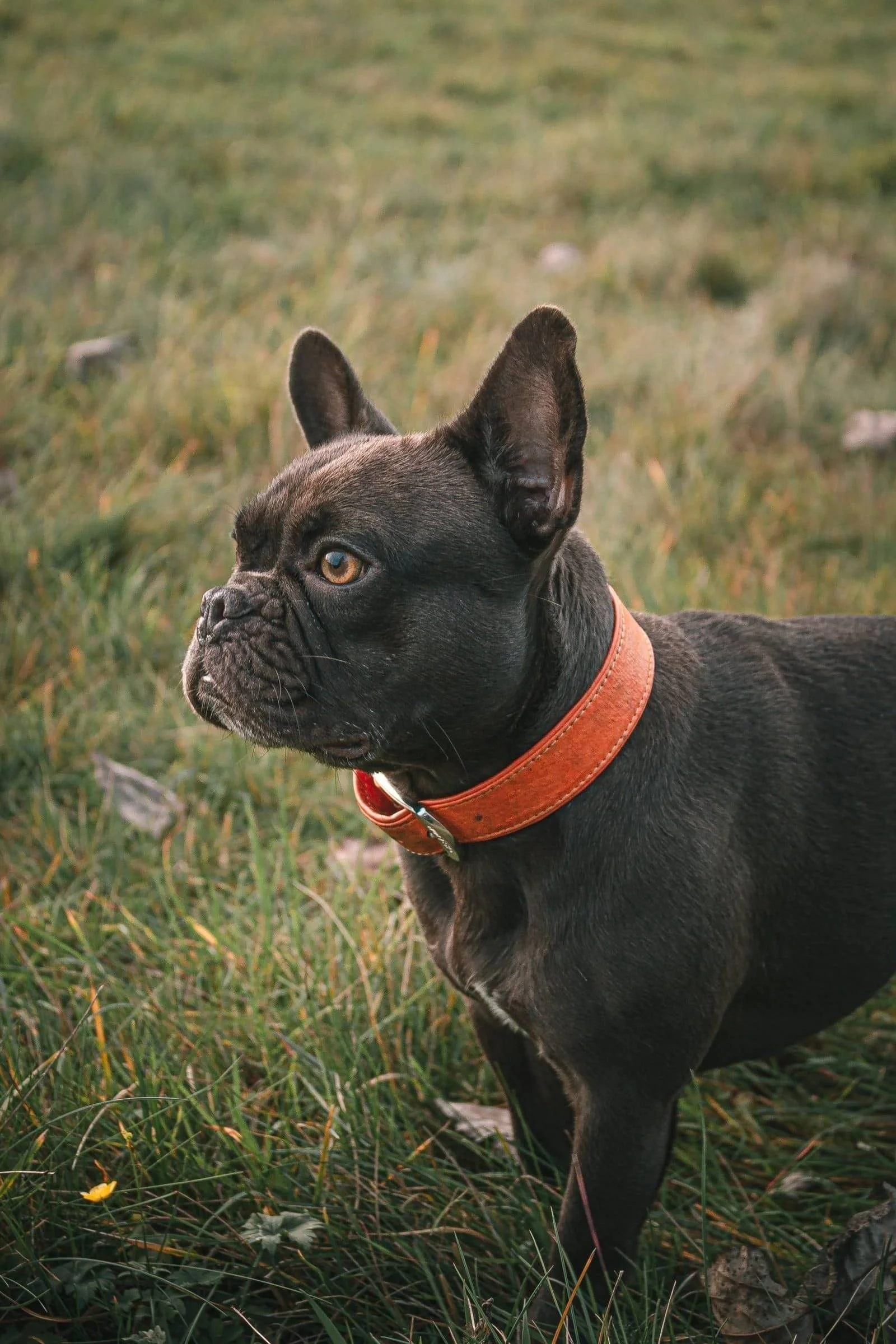

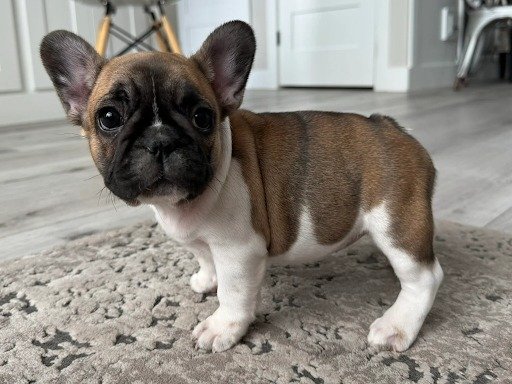
When people first fall for a French Bulldog, they often notice the tidy little rear and wonder, do French Bulldogs have tails? The short answer is yes, French Bulldogs do have tails, but understanding why they look so short and what that means for their health and care takes a little explanation.
This guide explains why their tails look that way, what’s normal, and how it affects health and care. It also covers why choosing a reputable Utah breeder matters when bringing home a happy, well-raised Frenchie puppy or retiree.
Let’s start with the simple part.
Yes, French Bulldogs have tails, but they are naturally short and often appear almost absent compared to longer-tailed breeds. Unlike some dogs whose tails are long enough to curl or sweep across surfaces, Frenchie tails are typically short, sitting close to the body and hanging down low.
Here’s a quick snapshot of what you need to know:
|
Feature |
What It Means for French Bulldogs |
|
Presence of a Tail |
Yes, naturally born with a tail |
|
Length |
Short, stumpy, or tucked close to the body |
|
Common Shapes |
Straight tail or screwed (twisted but not curly) |
|
Docking (cutting) |
Not part of responsible breeding practices, tails are naturally short, not docked |
|
Breed Standard Requirement |
It must be short and low to the body according to official standards |
This relatively stubby tail is part of the breed standard for French Bulldogs. Breed clubs, such as the American Kennel Club, specify that tails should be short, hang low, and not rise above the horizontal.
The reason French Bulldogs have such short tails goes back to genetics and intentional breeding, not to cruel cropping or docking.
French Bulldogs carry a particular genetic makeup that produces a short tail. A gene known as Dishevelled 2 (DVL2), or brachyury, linked to tail development, causes their tails to be reduced in length compared with many other breeds (source). Over generations, breeders selected for these traits because they complemented the breed’s overall compact, muscular appearance.
This means:
That genetic inclination toward a short tail is so ingrained that when you see a Frenchie that looks virtually “tailless,” what you’re actually noticing is this natural trait.
While no Frenchie will have a long, flowing tail like a Golden Retriever or an Australian Shepherd, there are a few variations on how that short tail might appear:
|
Tail Type |
Description |
|
Straight tail |
A stubby tail that points straight down from the body and tapers to a fine tip. |
|
Screw tail |
A twisted-looking tail that stays short and compact. |
|
Corkscrew/Knotted |
Appears curled or tightly twisted (still short). |
All these types fall within the normal range of French Bulldog tail appearances, and each one contributes to that classic Frenchie silhouette so many people have come to adore.
Here’s where it gets fun. Because their tails are so short, many French Bulldogs don’t wag their tails in the dramatic way that some breeds do. While some Frenchies can twitch or move their tail slightly, most will show excitement and happiness by wiggling their whole rear end rather than sweeping their long tail.
So if you’re looking for signs your Frenchie is happy and joyful, pay attention to
It’s quirky and uniquely Frenchie.
A short tail doesn’t just affect looks; it has implications for care as well.
Some French Bulldogs, especially those with screw tails, have something called a tail pocket, which is a small skin fold just beneath the tail. While not inherently harmful, tail pockets can trap dirt, moisture, and even food residue.
If improperly cared for, this area can become irritated or infected. Regular cleaning of this small area helps prevent buildup (source).
Because Frenchies are a short-tailed, short-backed breed, they are more prone to certain spinal irregularities. One condition sometimes associated with short tails is hemivertebrae, a congenital deformity in the structure of the spine, which can cause discomfort or neurological problems in rare cases (source).
This isn’t something every dog faces, but it’s a reason why routine health checks with a trusted vet are important.
Like all dogs, French Bulldogs should receive regular vet care, including
In recent years, French Bulldogs have become the most beloved dog breed in the United States. According to data from the American Kennel Club, French Bulldogs have held the title of most popular breed for multiple years running, with tens of thousands of new registrations each year (source).
Popularity brings joy, but it also comes with responsibility. With so many people drawn to Frenchies’ friendly, adaptable nature and their cute, compact bodies, the demand has led to more breeders entering the space, and not all are focused on health and temperament.
This makes it especially important for prospective owners to do the following:
If you’ve read this far, you already understand that French Bulldogs are unique not just in personality but also in physical traits like their tails. And if you’re considering bringing one of these charming companions into your home, it matters how that dog was bred and raised.
A reputable breeder will:
Whether you’re looking for a playful puppy ready to become a loving family member or a retired Frenchie seeking a warm home after years of love and service, choosing a breeder who prioritizes the well-being of their dogs makes all the difference.
Yes, they are smart and eager to please, but short, positive sessions work best. They can be a bit stubborn at times (actually, quite frequently :-).
Not usually. They tend to be quiet and only bark when necessary.
They struggle in heat due to their short noses, so cool spaces and shade are important. Make sure to choose a breeder who only breeds Frenchies that breathe well and have no significant brachycephalic issues.
The question is, do French Bulldogs have tails? It turns out to be simpler than most people think. Yes, they do; they are just naturally short and compact and part of the breed’s signature charm. Understanding these little details helps future owners care for their Frenchie the right way and choose a dog that’s healthy, happy, and well bred.
That is where working with a trusted breeder truly matters. BlueHaven French Bulldogs focuses on raising quality puppies and retirees with careful health standards and lots of love.
Ready to welcome a Frenchie home? Connect with BlueHaven French Bulldogs today and start the journey.
_1792608408.jpg)
Best Washable Pee Pads for Dogs: Reusable, Highly Absorbent Picks for 2026 Bringing home a new French Bulldog puppy means plent...
Read More »_1792604232.png)
What Are the Signs of a French Bulldog Tail Pocket Infection, and Why Does It Matter for Puppy Buyers If you are buying a Frenc...
Read More »_1792603645.png)
Adult vs. Puppy French Bulldog: Which Is Right for You? Trying to decide between adult vs. puppy French Bulldogs: which is righ...
Read More »