
_1768982835.jpg)
If you already share your life with a French Bulldog, you know the truth most people learn quickly: one Frenchie never feels like enough. Their personalities are big, their loyalty runs deep, and their ability to bond with both people and other dogs is unmatched. That is why many Frenchie owners eventually start looking for a second companion, and increasingly, they find themselves searching for the term “lilac trindle.”
If you are wondering whether adding another Frenchie, possibly a lilac trindle, is the right move and who you should trust when you do.
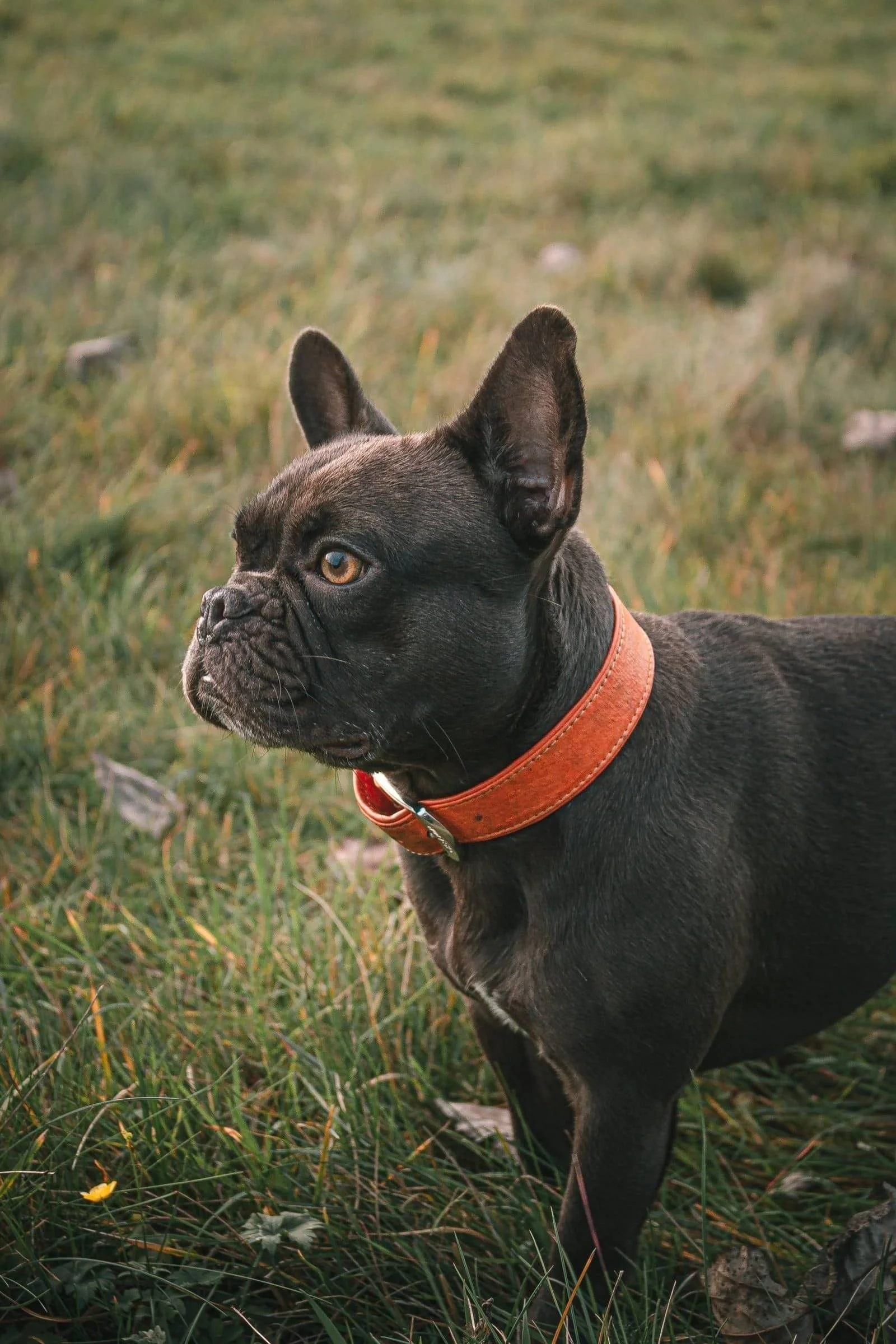
A lilac trindle French Bulldog stands out immediately. The coat blends a soft lilac base with tan markings in the points areas (lower legs, cheeks, eyebrow, and bum) that can have various amounts of brindling - from almost none to quite a bit. The result is depth, contrast, and a look that feels one of a kind without being flashy.
But appearance alone is not why owners choose this variety again and again. Many experienced Frenchie owners say that the appeal of a lilac trindle comes from combining rarity with the same affectionate temperament they already love.
Here is a simple breakdown:
|
Feature |
Why Owners Love It |
|
Unique coat |
Distinct look without extreme exaggeration |
|
Balanced appearance |
Softer tones that age beautifully |
|
Same Frenchie personality |
Playful, loyal, and people-focused |
|
High demand |
Strong long-term value and desirability |
While coat color does not affect personality, responsible breeders focus on pairing color genetics with health-first breeding, which is where the difference truly matters.
Recent data shows that French Bulldogs have remained the most popular dog breed in the United States for multiple years in a row. According to the American Kennel Club rankings reported in 2024, French Bulldogs continue to hold the number one spot nationwide (source).
Popularity alone does not explain why so many existing owners come back for another. The real reason is compatibility.
Owners who add a second Frenchie often report:
In fact, veterinary behavior studies show that dogs raised with a compatible companion often demonstrate improved confidence and reduced stress behaviors over time (source).
For French Bulldogs specifically, having a similarly sized, similarly tempered companion often leads to smoother transitions than introducing a completely different breed.
Many owners wait too long when thinking about adding a second Frenchie. Age gaps matter more than most people realize.
Veterinarians and breeders often recommend adding a second dog while your first Frenchie is still active enough to enjoy play and bonding. Puppies adapt quickly, and adult Frenchies tend to accept younger companions more easily than older dogs accept change.
Here is a general guideline many breeders follow:
|
First Frenchie Age |
Second Frenchie Experience |
|
Under 3 years |
Strong bonding and play habits |
|
3 to 6 years |
Smooth adjustment with supervision |
|
7+ years |
Possible but requires careful introduction |
If your current Frenchie is still playful and social, now is often the ideal window.
There is a lot of misinformation online surrounding rare Frenchie colors like lilac trindle. The truth is simple: color itself does not create health issues, but irresponsible breeding does.
French Bulldogs already require careful breeding due to their structure. According to recent veterinary data, brachycephalic breeds account for a significantly higher percentage of airway-related veterinary visits than non-brachycephalic breeds (source).
This is why choosing a breeder who prioritizes
is far more important than focusing on coat color alone.
BlueHaven French Bulldogs follows this philosophy closely. Their breeding program is designed to produce puppies that thrive not only as babies but also as long-term family companions.
Many clients who purchase once return again, not because they want another puppy, but because they want the same experience.
BlueHaven French Bulldogs is known for:
For owners who already understand the breed, working with a breeder who respects that knowledge makes the process smoother and more rewarding.
Adding a lilac trindle Frenchie from a trusted program allows you to enjoy the beauty of a rare coat while maintaining confidence in your dog’s health and temperament.
If you are already considering a second French Bulldog, asking the right questions helps clarify the decision:
If the answer is yes, a lilac trindle Frenchie may be a natural next step.
Many French Bulldogs adapt well to living with another dog, especially when introduced properly. Having a companion can encourage play, reduce boredom, and support social behavior, but individual temperament always matters.
Most French Bulldogs need short, low-impact exercise sessions totaling 20 to 30 minutes per day. Overexertion should be avoided, especially in warm weather.
French Bulldogs are generally known for being gentle and patient with children. They also tend to get along well with other pets when socialized early and supervised during introductions.
French Bulldogs benefit from weekly brushing, regular ear cleaning, and routine skin fold maintenance. Bathing every four to six weeks is usually sufficient unless advised otherwise by a veterinarian.
The average lifespan of a French Bulldog is typically 10 to 12 years. Proper nutrition, routine veterinary care, and responsible breeding can positively influence longevity.
French Bulldog owners rarely regret adding another. What they regret is waiting too long or choosing the wrong source.
If you already know the joy of living with a Frenchie, you also know how quickly they become family. Adding a second, especially from a breeder that prioritizes quality, health, and temperament like BlueHaven French Bulldogs, is not just another purchase. It is an upgrade to your home, your routine, and your happiness.
Reach out to BlueHaven French Bulldogs to learn about upcoming litters, available puppies, or carefully placed retirees. Their team can help you decide whether a lilac trindle or another quality Frenchie is the best fit for your home and your current dog.
_1790807345.png)
The Best Dog Training Apps for French Bulldog Puppies in 2026 Your Frenchie puppy is home. The crate is ready, and everyone in ...
Read More »
How to Choose a Vet, Groomer, and Daycare in St.Petersburg Hook: French Bulldogs are America’s #1 breed, but their flat fac...
Read More »_1790612259.png)
Home Fencing Ideas for Families With French Bulldogs French Bulldogs bring endless joy to family homes with their playful perso...
Read More »