
_1780388493.png)
French Bulldogs are affectionate, playful, and full of personality, but their unique build means they can need veterinary attention faster than many other breeds. Their short noses, compact bodies, sensitive skin, and tendency toward breathing issues make it important for owners to recognize early warning signs.
Knowing when to call a vet, when to seek urgent care, and what information to bring can help protect your Frenchie when something feels wrong.
If you share your home with a French Bulldog, planning ahead is part of responsible care. Keep your primary vet’s number, the nearest emergency hospital address, and a backup option saved in your phone and written down at home.
When your regular clinic is closed, choosing after-hours veterinary urgent care for dogs and cats can prevent delays for symptoms that should not wait until morning. Frenchies can worsen quickly when breathing, heat, or pain is involved, so having a plan before an emergency matters.
French Bulldogs have a brachycephalic head shape, which means they have shorter airways than many other dogs. This can make breathing harder, especially during heat, exercise, excitement, stress, or illness. Even a situation that seems manageable at first can become serious if your Frenchie starts struggling to get enough air.
Owners should pay close attention to changes in breathing sounds, posture, energy, and gum color. Loud snorting, blue or pale gums, open-mouth breathing, collapse, or extreme restlessness should be treated as urgent. A French Bulldog that cannot settle, stretches its neck to breathe, or appears panicked may need veterinary help immediately.
BlueHaven French Bulldog families and other Frenchie owners can benefit from learning what is normal for their dog before a problem starts. Take note of your dog’s usual breathing pattern, sleeping position, appetite, and activity level. When you know your French Bulldog’s baseline, it becomes easier to spot changes that need a vet’s attention.
Some warning signs should never be ignored. Trouble breathing, repeated vomiting, seizures, collapse, uncontrolled bleeding, severe weakness, or a swollen abdomen all require prompt veterinary guidance. If your French Bulldog has eaten something toxic, sharp, or string-like, call a vet immediately rather than waiting for symptoms to appear.
Heat stress is one of the biggest risks for Frenchies. Heavy panting, drooling, wobbling, red gums, vomiting, or confusion after warmth or activity can signal overheating. Because French Bulldogs can have difficulty cooling themselves, heat-related symptoms can become dangerous quickly.
Other urgent concerns may look less dramatic at first. Sudden limping, crying when touched, refusal to move, facial swelling, hives, eye injuries, or repeated attempts to urinate can all point to problems that need care. If your Frenchie seems uncomfortable and you cannot explain why, it is safer to call the clinic and describe what you are seeing.
French Bulldogs are known for several breed-related health concerns. Breathing problems linked to brachycephalic airway syndrome are among the most important. Some Frenchies may also experience elongated soft palate issues, narrow nostrils, or airway swelling that worsens with stress or infection.
Skin and allergy problems are also common. Itching, red paws, ear infections, facial fold irritation, hair loss, or repeated licking may not always be emergencies, but they should be checked before they become painful or infected. Regular vet care can help manage these issues before they affect your dog’s comfort.
French Bulldogs can also be prone to eye injuries, spinal problems, digestive sensitivity, and joint concerns. A sudden change in walking, dragging the back legs, severe back pain, or loss of coordination should be treated urgently. Because Frenchies have compact bodies and can be vulnerable to disc problems, mobility changes should not be dismissed.
Preparation helps your veterinary team move faster. Keep a simple health file with vaccine records, medications, allergies, previous diagnoses, and your French Bulldog’s regular food. If your dog has had breathing, skin, spine, or allergy issues before, include those details as well.
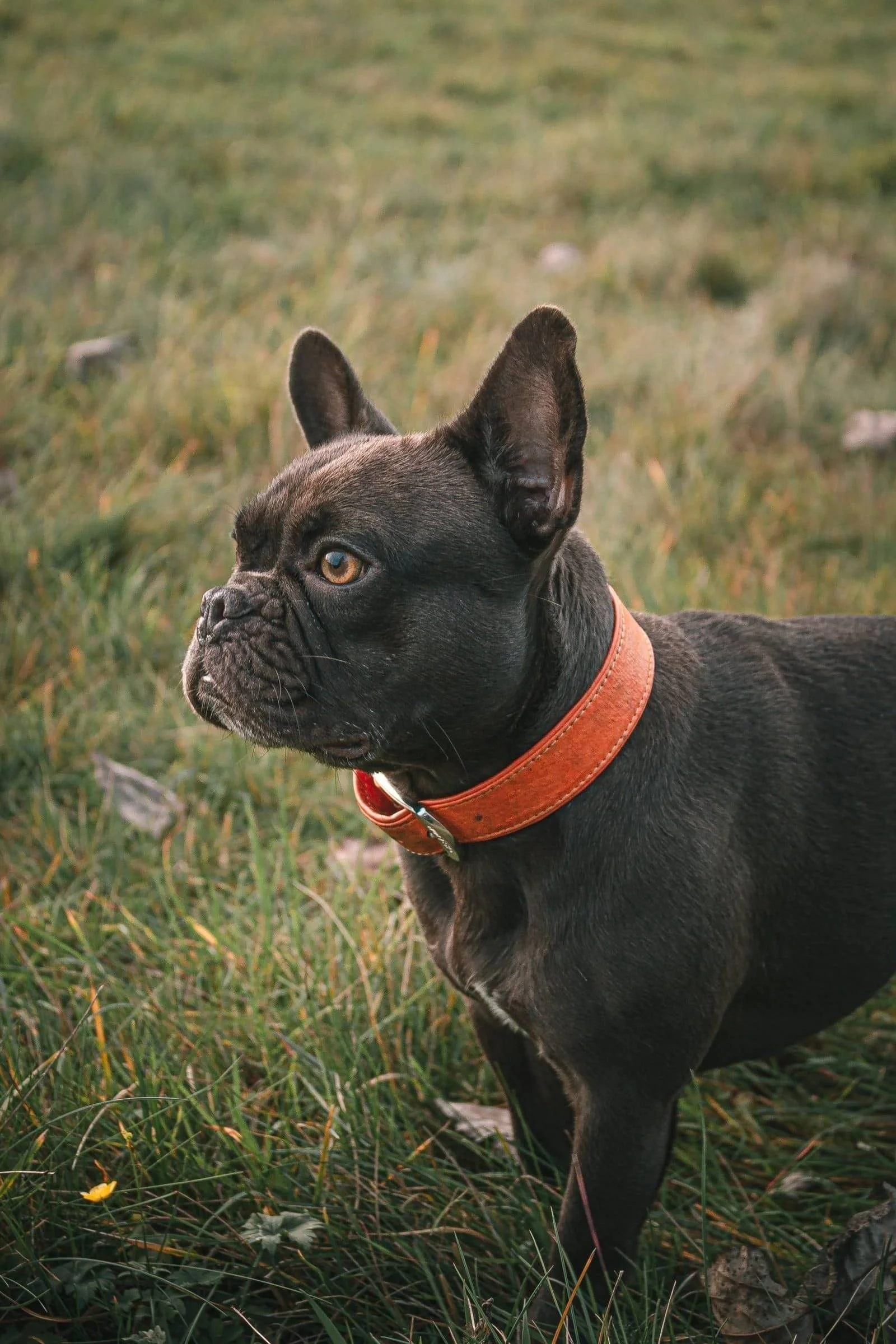
A small emergency kit can also help. Keep a leash, harness, towel, carrier (if suitable), medication list, and your vet’s contact details in one place. For Frenchies, a harness is often safer than a neck collar, especially if breathing is strained.
BlueHaven French Bulldog owners may also want to save photos or short videos of their French Bulldog when healthy. A normal breathing video, a photo of normal gum color, and notes about usual energy levels can give useful comparison points. During a stressful moment, these small details can help you explain what has changed.
Stay calm and keep your Frenchie as comfortable as possible. Avoid unnecessary handling, keep the neck straight, and do not use a tight collar. If breathing is difficult, reduce stress, keep the environment cool, and call the clinic before you arrive so they can prepare.
Do not give human pain medicine or leftover pet medication unless a veterinarian tells you to. Common human medications can be dangerous for dogs, and the wrong dose can make the situation worse. If your French Bulldog may have eaten something toxic, bring the packaging or take a photo of it.
If your dog is vomiting, remove food and avoid forcing water. If your Frenchie is injured, limit movement and use a towel or blanket for support. Clear, simple actions are better than trying to treat the problem at home without guidance.
When you arrive, explain the timeline clearly. Tell the team when symptoms started, what your French Bulldog ate, whether there was heat or exercise involved, and if any medication was given. Mention existing conditions, previous surgeries, allergies, and any breathing problems your Frenchie has had before.
Photos and videos can be helpful, especially if the symptom comes and goes. A short video of coughing, limping, breathing changes, or unusual behavior may help the vet understand what happened at home. Keep the explanation factual and focused so the team can triage quickly.
If your regular veterinarian is closed, a visit to UrgentVet can help with many non-life-threatening but time-sensitive problems. Ask whether your French Bulldog needs monitoring, medication, further testing, or transfer to a full emergency hospital. Before leaving, confirm warning signs that should make you return or escalate care.
Good vet care for French Bulldogs is not only about emergencies. Regular checkups help track weight, breathing, skin, ears, teeth, joints, and overall comfort. Preventive care is especially important for Frenchies because small issues can become harder to manage if they are missed early.
Keep your dog at a healthy weight, avoid heavy exercise in warm weather, and use a harness instead of pressure around the neck. Clean facial folds as recommended by your vet, monitor ears and paws, and report repeated itching or digestive problems. These habits can reduce discomfort and help your French Bulldog stay healthier over time.
Getting vet care for your Frenchie becomes easier when you know what to watch for and where to go. With a clear plan, reliable records, and calm action, you can respond faster when your dog needs help. For French Bulldogs, that preparation can make a meaningful difference when minutes matter.
_1792096239.png)
Emerging Pest Control Trends: What's Changing in How Pet Owners Protect Their Homes and Families For families who share the...
Read More »_1792087805.png)
What Professional Pest Technicians Know About Tick Prevention That French Bulldog Owners Often Miss French Bulldog owners spend...
Read More »_1790807345.png)
The Best Dog Training Apps for French Bulldog Puppies in 2026 Your Frenchie puppy is home. The crate is ready, and everyone in ...
Read More »