
Small brachycephalic breeds are cute, but have special health concerns.
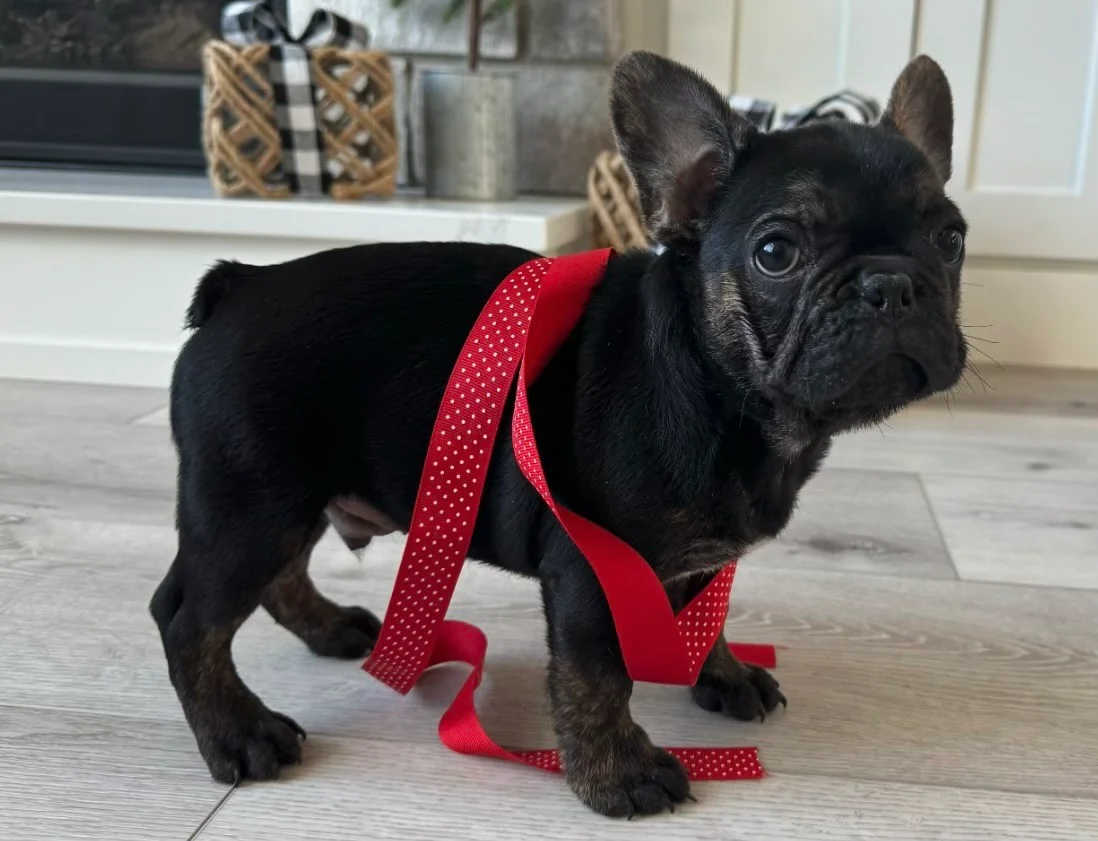
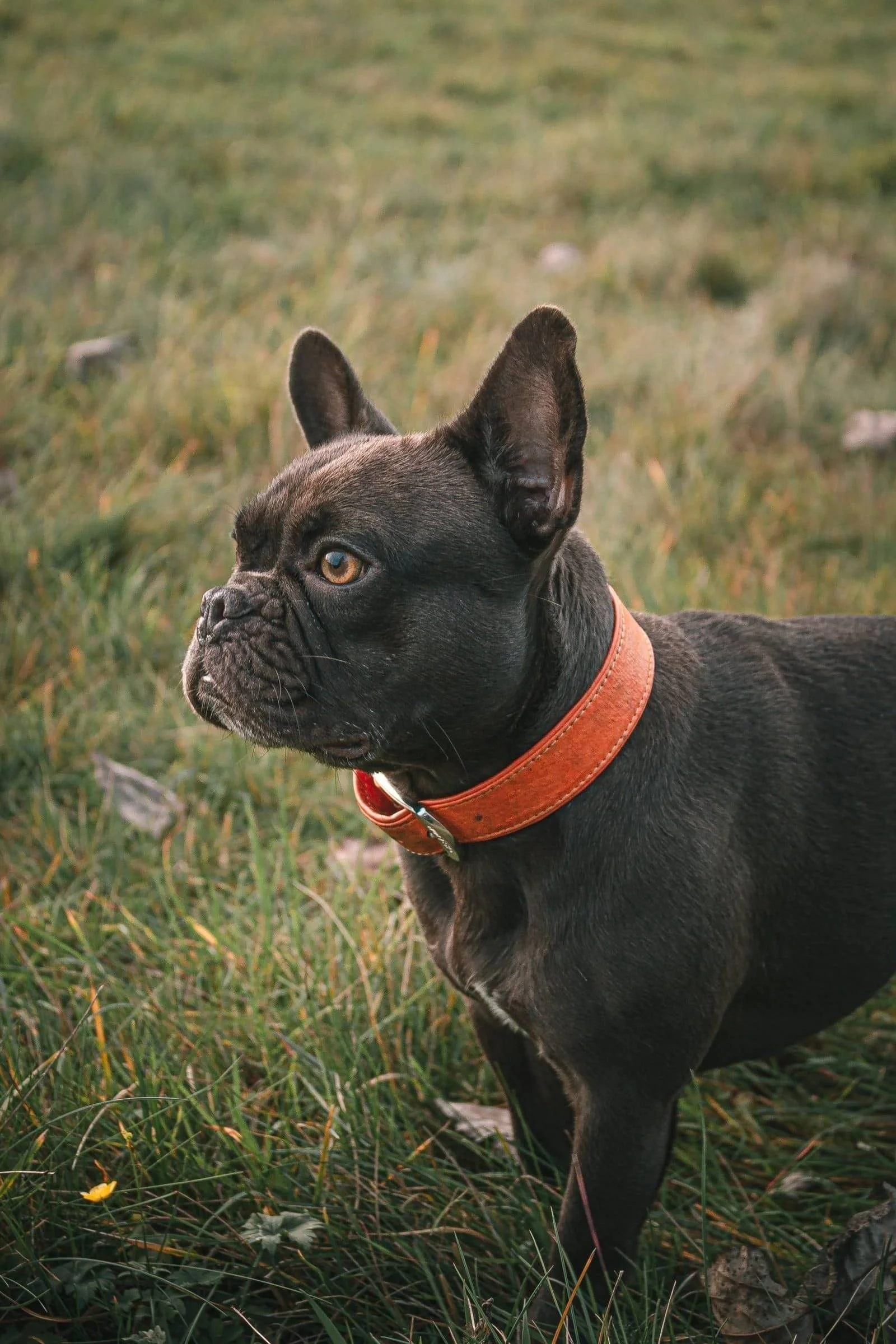
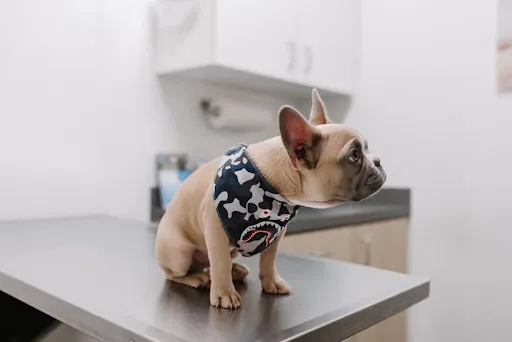
Pugs, French Bulldogs, Boston Terriers, Shih Tzus…these flat-faced breeds all suffer from breathing problems and joint issues as well as mobility difficulties that can greatly impact their daily lives. But good news – rehab can allow these small pups to enjoy longer, healthier, happier lives with the help of veterinary rehab.
Here's the truth:
Physical therapy has come a long way from being solely used for racehorses or Labradors recovering from surgery. It's now one of the most effective ways to help small brachy breeds with their most prevalent health concerns.
Let's jump in…
Small brachycephalic breeds face a unique set of physical challenges.
Their brachycephalic skulls, stocky bodies, and short legs create additional stress on joints, the spine and the respiratory system. This means these tiny breeds are predisposed to many disorders that thrive with veterinary rehab.
Nationwide analyzed 50,000 dogs and determined brachycephic breeds are 3x more likely to file insurance claims related to breathing issues than non-brachycephalic dogs. Wowzers….
And it gets worse.
In fact, research found that French Bulldogs are 17x more likely to make a claim for Brachycephalic Obstructive Airway Syndrome (BOAS). Many owners are finding gentle rehab alternatives like hydrotherapy work well — it's a low-impact way to improve mobility without straining the airway. Vet rehab can help Frenchies have safer recovery options when exercise isn't possible.
Common issues these breeds face include:
Translation: Plain and simple? Small dogs require special attention. And vet rehab is one of the best ways available to allow them to flourish.
Now let's get into the good stuff.
Veterinary rehabilitation services are trending upward — projected to reach $1.06 billion in 2026, up from $0.95 billion in 2025. Pet owners are learning more, and treatment options continue to expand.
These are the best physical therapy recommendations for small brachycephalic breeds.
The underwater treadmill is a game-changer for small brachycephalic breeds.
Why? It lessens the stress on their joints but still allows them to get a good workout. This is great for breeds that overheat easily or can't handle extensive walking. It also allows tight muscles to loosen up and move through a fuller range of motion because the water is warm.
Underwater treadmill sessions can help with:
Plus, sessions are usually brief and closely supervised, which is ideal for a tiny brachycephalic breed.
Therapeutic exercises are the bread and butter of veterinary rehabilitation.
Your dog will have an individualized program prescribed by a canine rehab professional trained in these techniques. Therapy may include balance exercises on wobble boards, cavaletti poles, slow controlled leash walking, and gentle stretching.
For small brachycephalic breeds, the goal is usually to:
The exercises look simple. But when done consistently, they produce some serious results.
Laser therapy (sometimes referred to as cold laser or Class IV laser) is one of the least invasive rehab modalities available.
The laser penetrates into deep tissue to decrease pain/inflammation and accelerate healing. Treatment is non-invasive and most dogs sleep through their session.
That means laser therapy is ideal for small brachycephalic breeds that poorly tolerate stressful interventions.
It's commonly used for:
Sessions average from 10-20 minutes. Most dogs will need several treatments to experience maximum results.
Massage isn't just a spa treatment for humans.
Manual Therapy can also be extremely beneficial for small brachycephalic breeds. Through manual hands-on therapy, a trained therapist will manipulate your dog's muscles to release tension, increase circulation and decrease pain. These methods can be especially beneficial for dogs with brachycephalic airway syndrome who have altered the use of their neck and shoulder muscles to compensate for their airway issues.
Regular manual therapy can also prevent chronic buildup of tension. Less pain and improved mobility over time.
Yes… acupuncture works for dogs too.
Acupuncture has been practiced for years to aid in treating chronic pain, arthritis, and neurological problems. Fine needles are inserted into pinpoint locations along the body to stimulate healing.
Small brachycephalic breeds do extremely well with acupuncture, particularly when combined with other rehabilitation therapies.
Not all veterinary rehabilitation clinics are created equal.
You want to ensure that you are bringing your dog to a veterinary team that specializes in understanding the anatomy and special needs of brachycephalic breeds. Look for these things:
Certifications are important. Seek out a provider that is a Certified Canine Rehabilitation Practitioner (CCRP) or Certified Canine Rehabilitation Therapist (CCRT). These certifications ensure the provider has completed the appropriate training.
Previous experience with brachycephalic breeds. Ask if they have worked with pugs, frenchies, Boston terriers or other brachys in the past. Experience is key……EXTREMELY key.
Appropriate equipment. Quality clinics will have underwater treadmills, laser therapy, and an assortment of exercise equipment.
Great communication. Your provider should welcome your questions about the treatment plan and communicate with your regular veterinarian frequently. It takes a village to heal your dog!
Selecting the appropriate rehab team can make excellent results possible.
Small brachycephalic breeds deserve the best possible care…
Veterinary rehabilitation can gently and effectively help your canine companion through every stage of their life. From post-surgery recovery to arthritis management and even weight control/mobility, there is a rehabilitation solution for your dog.
To quickly recap:
Don't wait until your dog has reached crisis point to consider these options. Veterinary rehabilitation performed preventatively can help keep your dog comfortable, mobile and increase quality of life for years.
_1792096239.png)
Emerging Pest Control Trends: What's Changing in How Pet Owners Protect Their Homes and Families For families who share the...
Read More »_1792087805.png)
What Professional Pest Technicians Know About Tick Prevention That French Bulldog Owners Often Miss French Bulldog owners spend...
Read More »_1790807345.png)
The Best Dog Training Apps for French Bulldog Puppies in 2026 Your Frenchie puppy is home. The crate is ready, and everyone in ...
Read More »