
_1790091516.png)
Taking pets along for car rides seems simple enough. Most drivers load their animals into the backseat without giving safety harness equipment a second thought.
Car accidents happen without warning on busy roads every single day. Taking proper safety steps protects human passengers and four-legged companions alike during unexpected collisions.
Unsecured animals transform into dangerous projectiles during high-speed crashes. Working alongside legal experts like Matthew Trapani helps victims understand liability issues related to vehicle collisions. Proper vehicle safety gear reduces risks for everyone inside the cabin.
Loose pets distract drivers by jumping across seats or blocking mirrors. Quick braking events cause unrestrained animals to fly forward against the windshield. Simple travel habits prevent severe injuries during sudden traffic stops.
Front passenger seats pose severe hazards to smaller animals during airbag deployment. Airbag inflation forces can easily crush small dogs resting near dashboard panels. Keeping pets in rear passenger areas provides better protection.
Impact forces multiply drastically when a moving vehicle stops abruptly. Physics calculations reveal shocking numbers regarding unrestrained animals during standard crashes. Safety tests demonstrate how momentum affects body weight during quick stops.
A recent vehicle testing study showed an unrestrained 55-pound dog generates over 20,000 pounds of force in a 30mph collision. Heavy impact forces easily crush seatbacks and injure front passengers. Securing large animals prevents massive kinetic energy transfers inside cars.
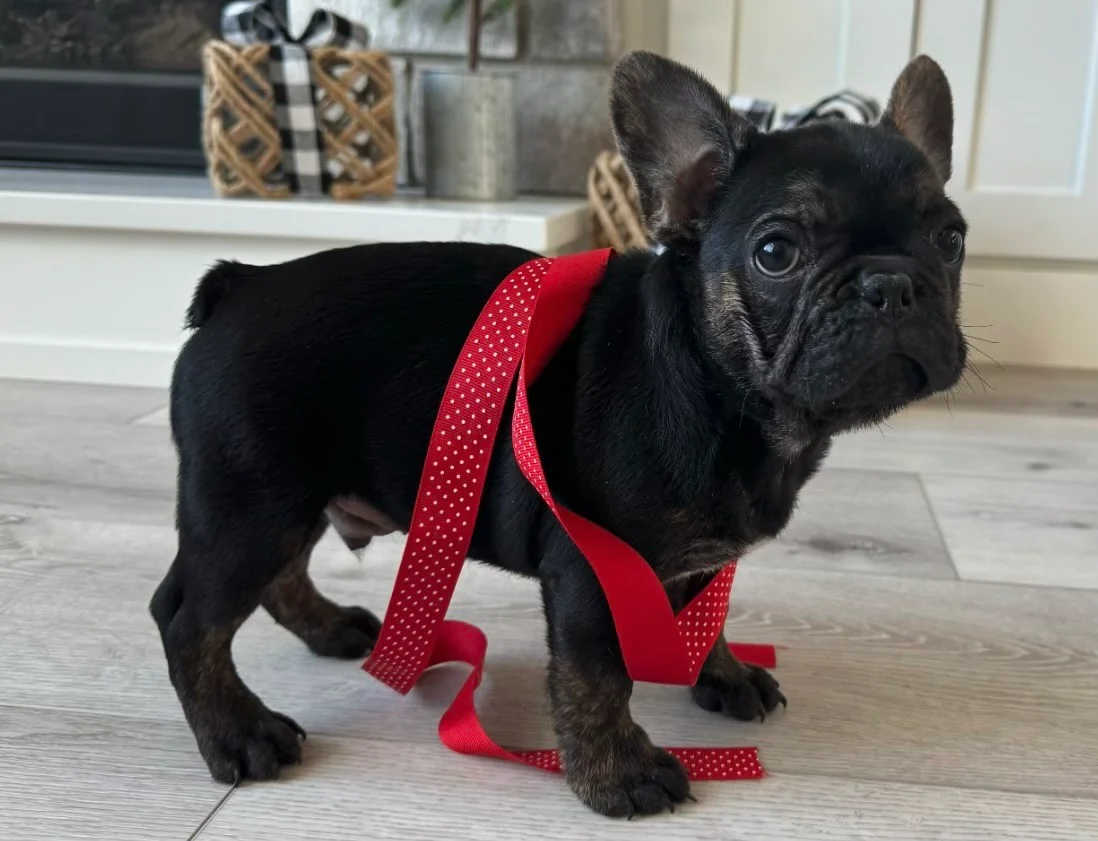
Smaller pets, like French Bulldogs, face massive deceleration pressures during sudden traffic incidents. Unsecured crates slide across seats and collide violently with vehicle doors. Solid tie-down straps keep pet carriers stationary during sharp turns.
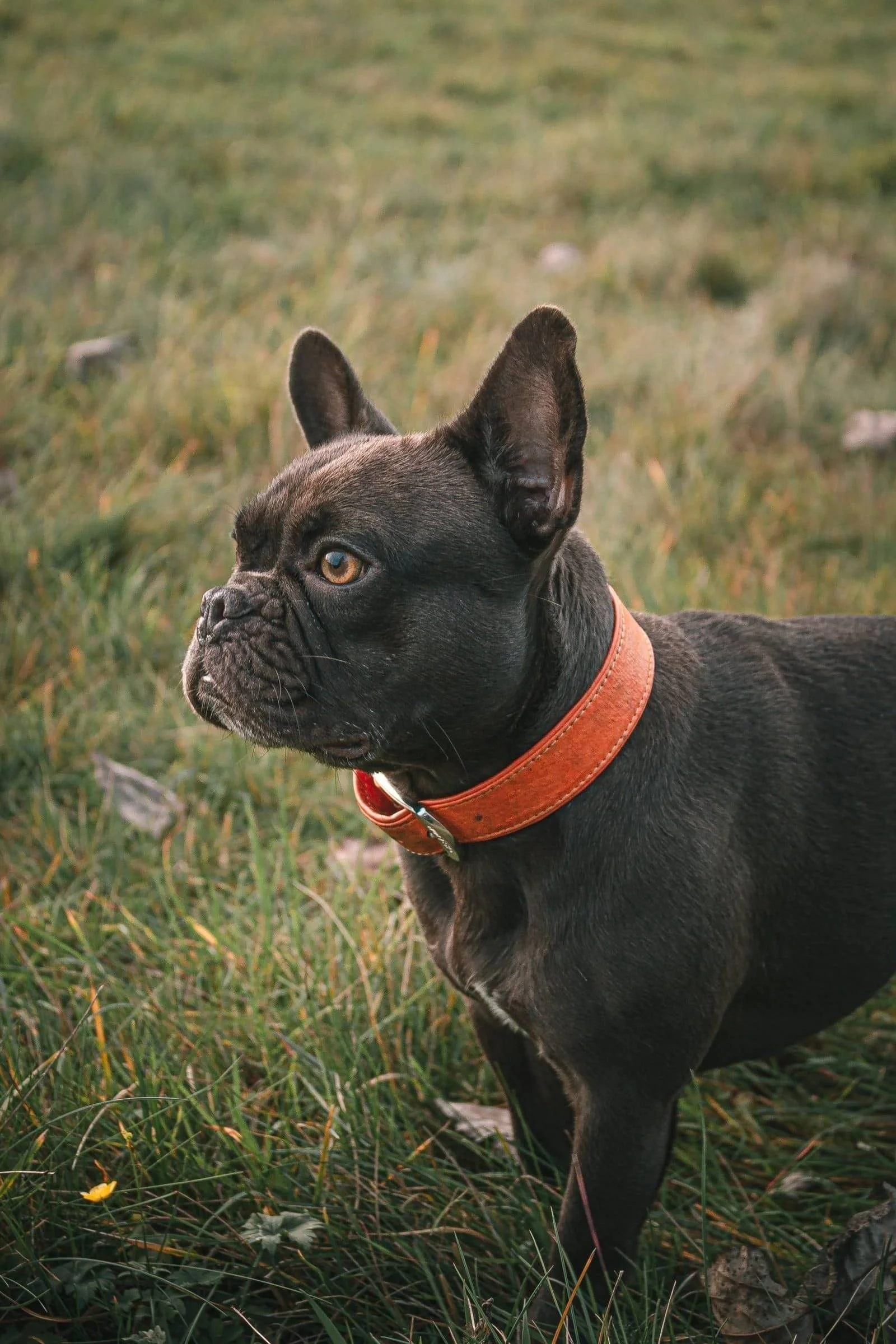
Brachycephalic breeds require extra caution when traveling inside passenger cars. French Bulldogs feature shorter snouts that make breathing difficult during stressful situations. High cabin temperatures combined with sudden panic can trigger medical emergencies quickly.
Compact dogs like Frenchies need customized restraint setups designed for flat-faced breeds. Standard neck collars strain delicate airways during sudden braking stops. Wide chest harnesses distribute impact pressure evenly across the torso.
Ventilation control keeps brachycephalic pets cool throughout long road trips. Direct climate vents toward rear seating areas during hot summer afternoons. Cold water bowls prevent overheating during sudden highway delays.
Prized dogs from specialized kennels like BlueHaven represent major emotional investments for families. Protecting rare canine companions requires dedicated safety planning prior to hitting highway roads. High-value pets deserve top-rated crash protection gear.
Owners often select heavy-duty aluminum travel crates for maximum structural integrity. Reinforced frames resist impact forces during severe side collisions or rollover accidents. Padded interiors prevent trauma during sudden directional changes.
Securing crate doors with dual-latch locks keeps valuable animals safe from escaping. Scared dogs frequently bolt into heavy traffic immediately after severe crashes. Solid enclosures contain animals until emergency responders reach crash sites.
National travel surveys reveal alarming gaps in pet safety compliance among drivers. Most owners transport dogs daily without attaching safety harnesses or secure tether systems. Simple awareness campaigns aim to change common driving habits.
Data from veterinary research journals indicate low restraint adoption rates across the country:
Restraint usage remains low despite growing evidence of vehicle collision dangers. Educational efforts encourage pet parents to adopt proper restraint habits early. Consistent routine builds safety habits for every road trip.
Selecting proper crash-tested harnesses protects pets from severe impact forces. Crash-test certification programs test harnesses against rigorous safety benchmarks. Drivers should inspect webbing material and metal hardware for structural strength.
Seatbelt tether clips connect directly into standard vehicle buckle receivers. Adjustable straps prevent pets from roaming around front driver seats. Short tether lengths keep animals resting comfortably on back seats.
Hard-shell pet carriers offer full-body shield protection against flying debris. Anchor straps secure plastic carriers directly to lower ISOFIX child seat anchors. Solid attachment points stop crates from launching during violent stops.
Crash scenes create intense confusion for human passengers and pets. Checking animals for hidden injuries is a critical step after vehicles stop safely. First responders must approach startled animals with care to prevent defensive bites.
Keeping extra leashes inside glove compartments helps handlers regain control quickly. Panicked dogs attempt escapes through shattered car windows or open doors. Secure leashes prevent pets from running into oncoming highway traffic.
Immediate veterinary evaluations identify internal bleeding or spinal trauma early. Transporting injured pets to animal hospitals prevents long-term health complications. Proper crash preparation safeguards pets throughout every journey.
.png)
Vehicle safety practices protect human passengers and canine travel buddies on every trip. Simple safety harness additions dramatically reduce collision injury risks. Prioritizing pet safety transforms standard drives into secure road trips.
Responsible drivers prepare for unpredictable traffic situations well before turning the ignition key. Investing in certified travel restraints protects cherished animals for years. Safe travel habits create peace of mind during daily commutes.
_1790807345.png)
The Best Dog Training Apps for French Bulldog Puppies in 2026 Your Frenchie puppy is home. The crate is ready, and everyone in ...
Read More »
How to Choose a Vet, Groomer, and Daycare in St.Petersburg Hook: French Bulldogs are America’s #1 breed, but their flat fac...
Read More »_1790612259.png)
Home Fencing Ideas for Families With French Bulldogs French Bulldogs bring endless joy to family homes with their playful perso...
Read More »