
_1789486092.png)
The different types of bulldogs include English Bulldogs, French Bulldogs, American Bulldogs and several lesser-known varieties. While they share muscular builds and expressive faces, their size, temperament and exercise needs can differ considerably.
Caring for these dogs starts with understanding their individual needs and providing a suitable daily routine. Everyday essentials, including beds, walking equipment and dog toys from brands like Happy Staffy, can support that routine. From compact companions to athletic working breeds, bulldogs need care that matches their health, energy and personality.
Bulldog breeds and varieties include the English Bulldog, French Bulldog, American Bulldog, Olde English Bulldogge, Continental Bulldog, Australian Bulldog, Alapaha Blue-Blood Bulldog, Victorian Bulldog, Red-Tiger Bulldog and Serrano Bulldog.
Broader lists sometimes include related breeds and bulldog crosses. There is no universal total because kennel clubs recognise different breeds, and some names describe developing breeding programmes.
This guide separates bulldog breeds and varieties from related breeds and mixed breeds so you can understand what each name means.
|
Bulldog type |
General build |
Activity profile |
Main care consideration |
|
English Bulldog |
Broad and low-set |
Gentle daily activity |
Breathing and heat tolerance |
|
French Bulldog |
Small and compact |
Short walks and interactive play |
Breathing health and companionship |
|
American Bulldog |
Large and athletic |
More substantial exercise |
Strength and consistent training |
|
Olde English Bulldogge |
Muscular and powerful |
Regular exercise and enrichment |
Training and health screening |
|
Continental Bulldog |
Medium and athletic |
Regular walks, play and training |
Daily engagement |
|
Australian Bulldog |
Sturdy; varies by programme |
Assess the individual |
Clear health and pedigree records |
|
Alapaha Blue-Blood Bulldog |
Powerful and athletic |
Structured activity |
Managing protective tendencies |
Activity needs also depend on age, health and individual temperament.
The English Bulldog, also called the British Bulldog, has a broad head, short muzzle, substantial shoulders and a low, sturdy body.
English Bulldogs are generally affectionate companions with a relatively calm disposition. Many enjoy a relaxed routine, but they still need daily movement, enrichment and training.
Short walks, sniffing opportunities and simple games can provide manageable activity. Their exercise should reflect their breathing ability and the weather.
Care priority: Monitor breathing, maintain a healthy weight and check skin folds regularly. A relaxed personality does not necessarily mean low maintenance.
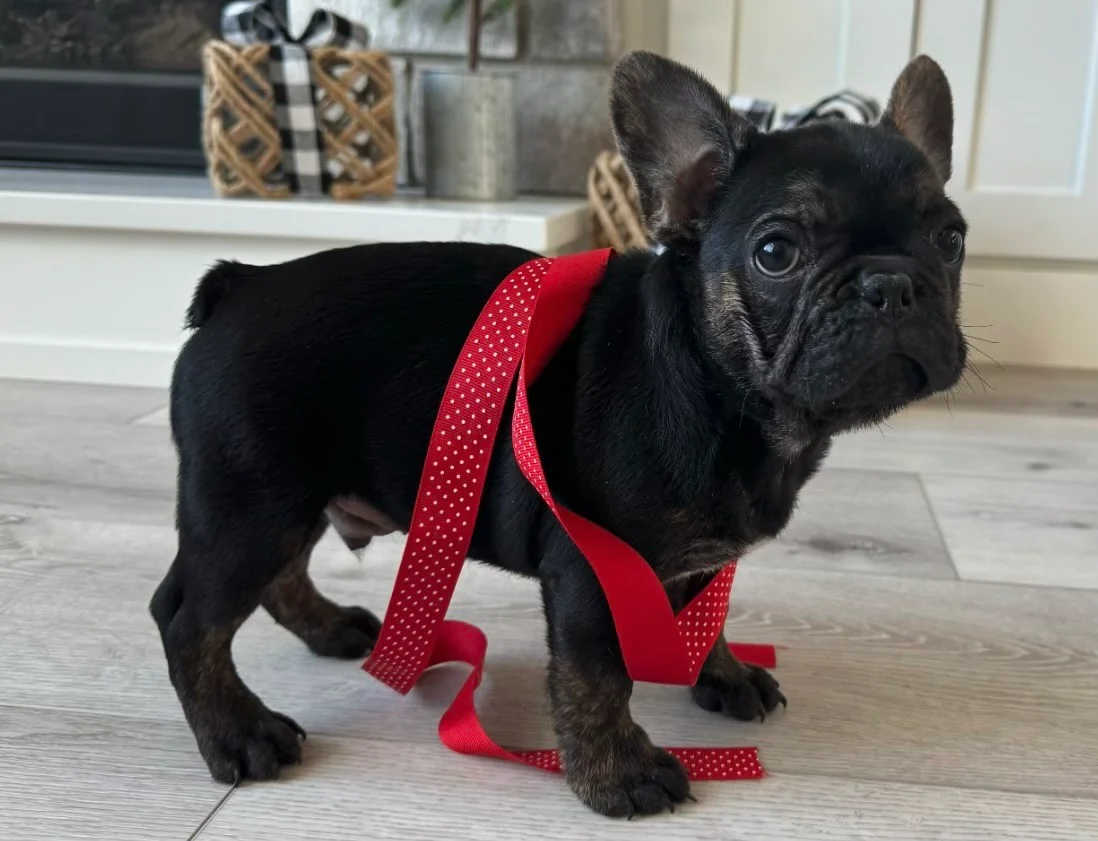
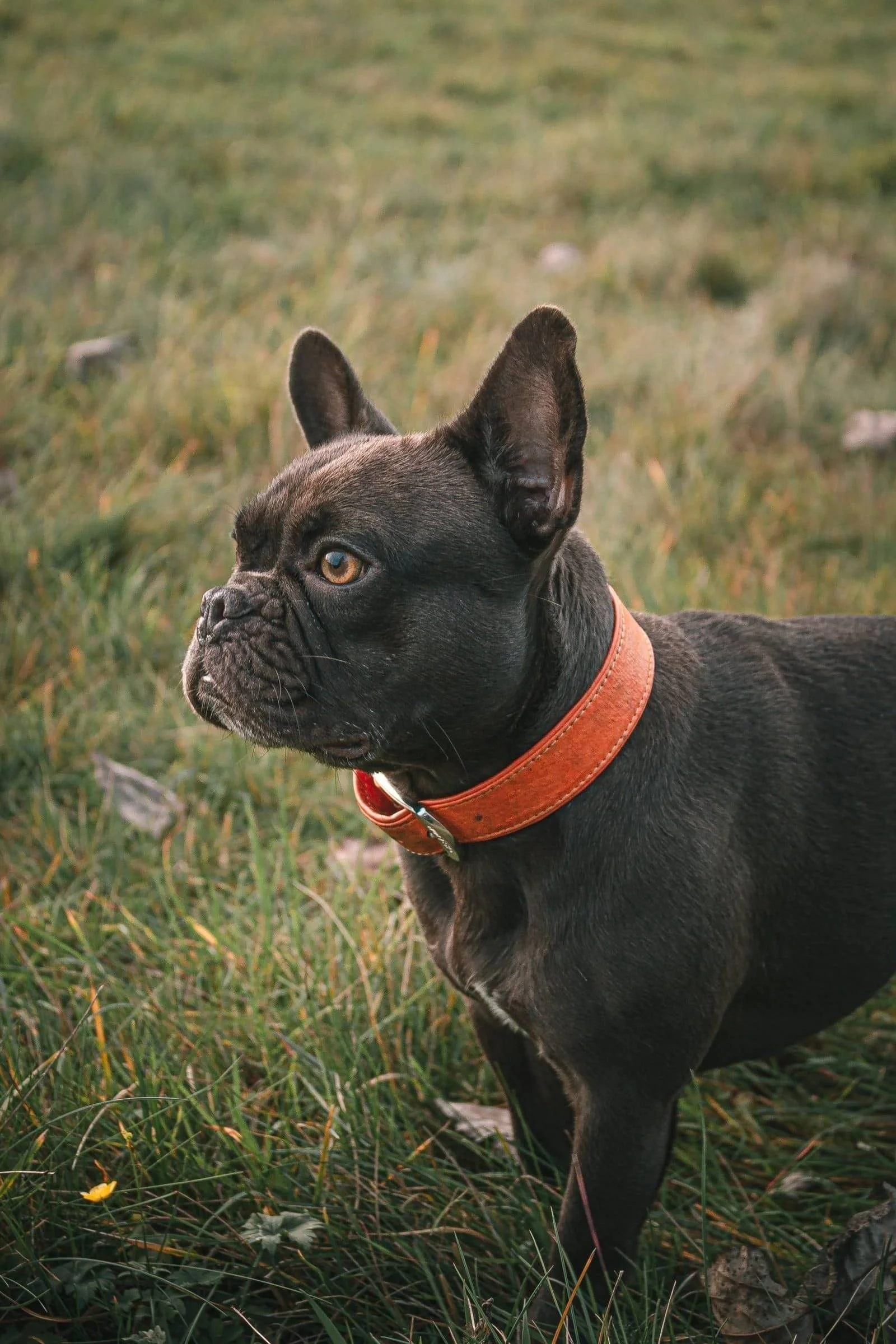
The French Bulldog is a small, compact breed recognised by its upright “bat ears” and playful personality.
Frenchies can suit smaller homes, provided they receive enough companionship and stimulation. They need daily interaction, training and suitable exercise rather than simply space to rest.
Short walks and gentle indoor games can work well when adjusted to the individual dog’s comfort.
Care priority: Pay close attention to breathing and temperature. Small size does not protect French Bulldogs from significant healthcare needs.
The American Bulldog is a large, athletic dog historically associated with farm work. It is generally taller and more physically demanding than the English or French Bulldog.
Its strength and endurance make regular activity and consistent training important. Loose-lead walking, recall and calm greetings are particularly useful skills.
A garden offers space for play but does not replace walks or interaction with people.
Care priority: Provide appropriate exercise, reward-based training and socialisation. Assess compatibility with other pets individually.
The Olde English Bulldogge is a modern breed developed to resemble an older, more athletic style of bulldog. It is distinct from today’s English Bulldog.
The United Kennel Club recognised the breed in 2014. Its standard describes a powerful dog with agility and stamina, with adult weights of 50–70 pounds for females and 60–80 pounds for males.
These dogs benefit from regular activity, mental stimulation and consistent handling.
Care priority: Ask for documented health screening. Breeding goals focused on improved function do not guarantee freedom from health problems.
The Continental Bulldog originated in Switzerland and was developed as a medium-sized, athletic companion with bulldog characteristics.
Its standard describes a friendly, attentive and confident dog with free movement. It generally has a more athletic outline than the English Bulldog.
Plan for regular walks, play and training, adjusted to the dog’s health and age.
Care priority: Evaluate breathing, movement and health records directly. A less exaggerated appearance alone cannot establish good health.
The Australian Bulldog, often called the Aussie Bulldog, is associated with Australian breeding programmes and breed clubs.
Names, registration systems and standards can differ between organisations. Prospective owners should therefore investigate the particular breeder and family line.
Ask which organisation maintains the pedigree, what standard applies and which health assessments the parents have completed.
Care priority: Assess the individual dog’s needs. Claims about suitability for Australian conditions should not replace an evaluation of breathing and heat tolerance.
The Alapaha Blue-Blood Bulldog is a powerful, athletic dog associated with the southern United States.
Its protective qualities make thoughtful socialisation and responsible handling important. Training should encourage calm behaviour around visitors and unfamiliar situations.
Owners should discuss the individual dog’s responses to other animals and people before introducing it into a household.
Care priority: Maintain consistent routines and manage protective behaviour carefully.
Developed in England in the 1980s, the Victorian Bulldog was bred to recreate an older bulldog appearance.
The Red-Tiger Bulldog is an American variety developed from red-nosed American Bulldogs.
The Serrano Bulldog comes from Brazil and has a muscular, comparatively lean build.
For these less familiar varieties, investigate the specific registry, breeding standard and documented health history. A name alone cannot establish predictable health or temperament.
These dogs sometimes appear in broader bulldog roundups:
Including related breeds changes the scope of a list. They should not be presented as interchangeable versions of the English Bulldog.
Bulldog crosses include:
Crossbreed names are not always standardised. Size, temperament and care needs vary, and mixed breeding does not guarantee better health. Ask about both parents’ health screening.
Bulldog care involves suitable exercise, weight management, grooming, training and regular veterinary attention. Adapt each part of the routine to your dog’s breed, age and health.
Give your bulldog opportunities to walk, sniff and play. English and French Bulldogs often need shorter, gentler activities, while American Bulldogs generally require more exercise.
Watch for fatigue or breathing difficulty. Ask your vet about appropriate activity if your dog struggles during walks.
Short-muzzled bulldogs can struggle in hot or humid conditions. Walk during cooler hours, provide fresh water and shade, and maintain a comfortable indoor environment.
Never leave a dog in a parked car. Weakness, collapse or difficulty breathing requires urgent veterinary attention.
Feed a complete, balanced diet appropriate for your dog’s life stage. Measure portions and include treats when considering daily food intake.
Ask your vet to assess body condition and help adjust feeding if necessary. Excess weight can place additional strain on breathing and movement.
Inspect skin folds regularly and follow veterinary advice on cleaning. Gently dry folds after cleaning because trapped moisture can contribute to irritation.
Brush the coat and check for redness, unusual odour or persistent scratching. These changes may need veterinary assessment.
Use dog-safe toothpaste for toothbrushing, inspect ears and keep nails comfortably trimmed.
Ask a vet or groomer to demonstrate unfamiliar care tasks. Avoid putting cleaning products into the ears without appropriate guidance.
Use short, reward-based sessions to teach everyday skills. Sniffing games, food puzzles and suitable toys provide additional mental stimulation.
Choose toys according to your dog’s size and chewing habits. Supervise chewing and replace damaged items.
Keep up with examinations, vaccinations and parasite prevention recommended by your vet.
English and French Bulldogs can develop brachycephalic obstructive airway syndrome, or BOAS, which affects breathing. Persistent noisy breathing, disturbed sleep or exercise difficulty should be assessed rather than dismissed as normal breed behaviour.
There is no universally agreed number. Lists differ because they may include recognised breeds, developing varieties, related breeds and crossbreeds. This guide covers ten bulldog breeds and varieties, plus related dogs and popular mixes.
The French Bulldog is the smallest of the main bulldog breeds covered here. Its compact size can suit smaller homes, but it still needs exercise, attention and appropriate healthcare.
Yes. English Bulldog and British Bulldog commonly refer to the same breed, which some kennel clubs simply call the Bulldog.
No. The Olde English Bulldogge is a distinct modern breed with its own standard and generally a taller, more athletic build.
“Miniature Bulldog” is not a universally standardised breed name. Sellers may use it for smaller bulldogs or crosses. Ask about parentage, expected adult size and health testing.
There is no single best choice for every family. Consider the individual dog’s temperament, health and activity needs. Always supervise interactions between children and dogs.
No type is automatically healthiest. Compare documented health screening, breathing function, mobility and family history. Veterinary assessment is more useful than promises based on a breed name.
Understanding the different types of bulldogs means looking beyond appearance. Each dog needs a routine that supports comfortable movement, good health and positive everyday interaction.
_1792608408.jpg)
Best Washable Pee Pads for Dogs: Reusable, Highly Absorbent Picks for 2026 Bringing home a new French Bulldog puppy means plent...
Read More »_1792604232.png)
What Are the Signs of a French Bulldog Tail Pocket Infection, and Why Does It Matter for Puppy Buyers If you are buying a Frenc...
Read More »_1792603645.png)
Adult vs. Puppy French Bulldog: Which Is Right for You? Trying to decide between adult vs. puppy French Bulldogs: which is righ...
Read More »