

According to the American Veterinary Medical Association's 2023 data, over 25% of pet emergencies occur outside normal veterinary hours — yet many pet owners can't identify when their animal truly needs immediate care versus when it can wait until morning.
In California's Central Valley, where Stockton sits amid agricultural communities with limited after-hours veterinary resources, this knowledge gap has real consequences. Emergency veterinary clinics often see pets whose conditions could have been managed more effectively with earlier intervention, while others rush in for situations that, while concerning, don't require emergency treatment.
For pet owners in the greater Stockton area, understanding the difference can mean the difference between life-threatening delays and unnecessary stress. The reality is that true pet emergencies demand swift action, but they also require owners who can recognize critical signs, prepare effectively, and navigate the emergency care process with confidence.
What follows is a comprehensive guide to emergency veterinary care—from identifying genuine emergencies to understanding what happens behind the scenes when you walk through those clinic doors.
The challenge with pet emergencies lies in interpretation—animals instinctively hide pain and distress, making subtle signs the difference between catching a crisis early and facing a life-threatening situation.
Respiratory distress represents one of the most critical categories: if your pet is struggling to breathe, has blue-tinged gums, or is making unusual sounds while breathing, immediate veterinary attention is essential. Similarly, any sudden collapse or inability to stand signals a potential emergency, whether from trauma, heart issues, or neurological problems.
Severe trauma obviously warrants emergency care, but many owners underestimate internal injuries. A dog hit by a car may seem fine initially, then develop internal bleeding hours later. Any significant impact—vehicle strikes, falls from height, or attacks by other animals—requires professional evaluation even if the pet appears normal.
Poisoning symptoms vary widely but often include vomiting, diarrhea, drooling, difficulty walking, or unusual behavior. Common household toxins like chocolate, grapes, certain plants, and cleaning products can cause serious harm within hours.
Prolonged vomiting or diarrhea becomes an emergency when it persists beyond 12-24 hours, especially if blood is present or if the animal becomes lethargic. Dehydration develops quickly in smaller animals. Difficulty urinating or defecating can signal blockages that become life-threatening rapidly, particularly in male cats prone to urinary obstructions.
Seizures lasting more than five minutes or multiple seizures in a short period require immediate intervention, as do eye injuries or sudden vision loss. Perhaps most importantly, trust your instincts about dramatic behavioral changes.
A normally social pet hiding for days, a calm animal becoming aggressive, or any pet showing signs of severe distress they can't shake often indicates serious underlying issues. The emergency veterinary team would rather see a false alarm than miss a critical case because an owner hesitated.
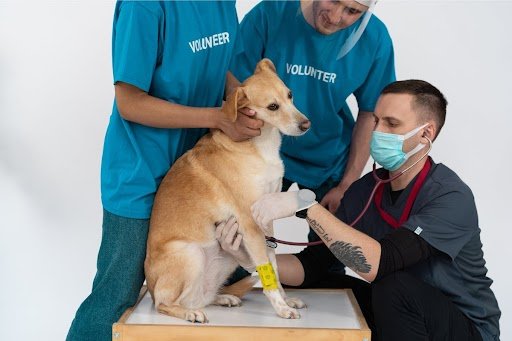
Walking into an emergency clinic with a distressed pet can feel overwhelming, but understanding the process helps reduce anxiety for both you and your animal. Triage occurs immediately—a veterinary technician will assess your pet's vital signs and symptoms to determine treatment priority.
This isn't first-come-first-served; animals in respiratory distress or shock receive immediate attention while pets with less urgent conditions may wait. The initial examination focuses on stabilizing life-threatening conditions first. Emergency veterinarians work systematically through airway, breathing, circulation, and neurological function before addressing specific injuries or illnesses.
If your pet is conscious and stable, the vet will gather a detailed history about the incident, current medications, and your pet's normal behavior patterns. This information directly influences treatment decisions. Diagnostic procedures in emergency settings often happen rapidly. Blood work checks organ function and identifies internal bleeding or toxin exposure.
X-rays reveal fractures, internal injuries, or foreign objects, while ultrasounds can detect internal bleeding or fluid accumulation. Unlike routine veterinary visits, emergency diagnostics focus on immediately life-threatening conditions rather than comprehensive health screening.
Treatment protocols vary dramatically based on the emergency type. Trauma cases may require surgery, while poisoning cases focus on decontamination and supportive care. Emergency vets excel at pain management and understand that animals in crisis need both medical intervention and comfort measures.
Many emergency clinics maintain 24-hour monitoring capabilities for pets requiring overnight observation or intensive care. Communication during crisis differs from routine care. Emergency veterinarians prioritize clear, direct explanations of immediate risks and treatment options.
They're trained to discuss costs upfront since emergency procedures can be expensive, and they understand that financial decisions often need to be made quickly under stress. The goal is stabilizing your pet while keeping you informed about prognosis and next steps.
Emergency preparedness for pet owners starts with basic first aid knowledge and proper supplies. Keep a pet first aid kit containing gauze, tape, hydrogen peroxide, a digital thermometer, and your veterinarian's contact information. Learn how to take your pet's vital signs—the normal temperature for dogs and cats ranges from 100.5 to 102.5°F, and knowing your pet's baseline helps emergency vets assess their condition.
Transportation preparation can be critical during emergencies. For injured pets, improper movement can worsen conditions—use a flat board or blanket as a stretcher for suspected spinal injuries, and muzzle conscious dogs in pain (even gentle pets may bite when hurt). Keep a pet carrier easily accessible for cats and small dogs.
For large dogs, practice lifting techniques beforehand since emergency situations demand quick action. Documentation readiness streamlines emergency care significantly. Maintain a file with your pet's vaccination records, current medications, known allergies, and your regular veterinarian's contact information.
Emergency vets often need to coordinate with your primary care provider, and having this information readily available prevents delays. Include emergency contact numbers for family members and your preferred emergency clinic.
Financial preparation often gets overlooked until crisis hits. Emergency veterinary care can cost anywhere from hundreds to thousands of dollars, and clinics typically require payment at time of service. Consider pet insurance, establish a dedicated emergency fund, or research Care Credit options before you need them. Many emergency clinics offer payment plans, but having financial options prepared reduces stress during already difficult situations.
Behavioral preparation helps both you and your pet cope with emergency situations. Regular handling of your pet's feet, mouth, and ears makes emergency examinations easier. Practice loading your pet into carriers or vehicles calmly, and consider how you'll manage other pets in your household if one requires emergency care.
Having a plan for veterinary care for pets that includes both emergency and routine scenarios helps ensure comprehensive health management throughout your pet's life.

Emergency veterinary medicine requires extensive specialized training beyond standard veterinary school. After completing a four-year Doctor of Veterinary Medicine degree, aspiring emergency veterinarians typically pursue additional residency training in emergency and critical care, which involves 2-3 years of intensive clinical experience under board-certified specialists.
This residency covers advanced life support, critical care medicine, emergency surgery, and toxicology. Board certification in veterinary emergency and critical care represents the highest credential in this specialty.
Veterinarians must complete an accredited residency, publish original research, and pass rigorous examinations administered by the American College of Veterinary Emergency and Critical Care. Board-certified emergency veterinarians demonstrate expertise in managing complex cases like multi-organ failure, severe trauma, and critical surgical emergencies that general practitioners rarely encounter.
Continuing education requirements ensure emergency veterinarians stay current with rapidly evolving protocols and technologies.
Most states require annual continuing education credits, but emergency specialists typically exceed these minimums through conferences, advanced workshops, and specialized training in areas like veterinary CPR, advanced cardiac life support, and emergency neurology.
Many emergency vets also maintain certifications in specific procedures like emergency surgery or exotic animal medicine.
Clinical experience in emergency settings builds practical skills that can't be taught in textbooks. Emergency veterinarians develop expertise in rapid decision-making under pressure, working with limited diagnostic information, and managing multiple critical cases simultaneously.
They become proficient in procedures like emergency thoracotomy, emergency cesarean sections, and advanced airway management—skills that require both technical precision and the ability to work quickly in life-or-death situations.
Support staff training in emergency clinics also exceeds general practice standards. Veterinary technicians in emergency settings often hold additional certifications in critical care, anesthesia, or emergency nursing. The entire team trains regularly in emergency protocols, from triage assessment to CPR techniques, ensuring coordinated care when minutes matter.
This specialized training explains why emergency veterinary care differs significantly from routine veterinary visits in both approach and capability.
Telemedicine integration has transformed how pet owners access initial emergency guidance, though it cannot replace in-person emergency care for serious conditions. Veterinary telemedicine platforms now offer 24-hour consultation services that help owners determine whether their pet's symptoms warrant immediate emergency attention or can wait for regular veterinary care.
This technology proves particularly valuable in areas like Stockton, where emergency veterinary resources may be limited during certain hours. Advanced diagnostic equipment in emergency clinics increasingly rivals human hospitals. Digital radiography provides immediate imaging results, while portable ultrasound machines enable rapid assessment of internal bleeding or heart function.
Point-of-care laboratory testing delivers blood chemistry results within minutes rather than hours, allowing emergency veterinarians to diagnose conditions like kidney failure, diabetic crises, or toxin exposure and begin treatment immediately. Specialized monitoring technology has revolutionized critical care capabilities in emergency veterinary medicine.
Modern emergency clinics utilize continuous ECG monitoring, automated blood pressure systems, and advanced ventilator support that can sustain critically ill pets through extended recovery periods. Temperature management systems help treat hypothermia or hyperthermia, while fluid therapy pumps provide precise medication dosing for pets in shock or organ failure.
Regional emergency networks are developing across California's Central Valley, creating referral systems that ensure pets receive appropriate levels of care. Emergency clinics now coordinate with specialty hospitals for cases requiring advanced procedures like neurosurgery or cardiology interventions.
Electronic medical records facilitate seamless information transfer between emergency clinics and primary veterinarians, improving continuity of care.
Looking ahead, artificial intelligence applications show promise for emergency veterinary triage and diagnostic support. AI systems being developed can analyze clinical signs, vital signs, and diagnostic images to assist emergency veterinarians in rapid decision-making.
While technology continues advancing emergency veterinary capabilities, the fundamental relationship between veterinarian, pet, and owner remains central to successful emergency care outcomes. The landscape of emergency veterinary medicine continues evolving rapidly, driven by both technological advancement and growing recognition of the human-animal bond.
For pet owners, the key lies not in predicting these changes but in building relationships with both primary and emergency veterinary providers who can navigate this evolving landscape when your companion animal needs it most.
_1792608408.jpg)
Best Washable Pee Pads for Dogs: Reusable, Highly Absorbent Picks for 2026 Bringing home a new French Bulldog puppy means plent...
Read More »_1792604232.png)
What Are the Signs of a French Bulldog Tail Pocket Infection, and Why Does It Matter for Puppy Buyers If you are buying a Frenc...
Read More »_1792603645.png)
Adult vs. Puppy French Bulldog: Which Is Right for You? Trying to decide between adult vs. puppy French Bulldogs: which is righ...
Read More »